Tranches 2–4 · 2026
What the newer releases changed
When the first phase ended, the honest conclusion was this: the machine is well-evidenced,
the cargo is undetermined, and the collection cannot break that tie. Two more releases
arrived through 2026 with a precise advantage the first phase never had, a map of what
was missing and a second and third look at the same subject.
The second government release delivered 64 records across documents and Department of Defense
videos. Two of the documents are among the most significant in the entire collection.
DOW-UAP-D017: Sandia Laboratories correspondence (classified SECRET)
The Sandia weapons-engineering lab generated this classified SECRET file. Edward Teller's name appears six times. The Atomic Energy Commission and
Kirtland Air Force Base are named repeatedly. Embedded in the correspondence: UAP
descriptions from the Southwest nuclear complex in the late 1940s, the same green
fireball cluster the FBI was separately tracking. This is the first primary Sandia
document in the collection, and it closes the geographic triangle of the Manhattan
inheritor complex: Los Alamos, Sandia, and the production sites are now all directly
represented in the UAP record.
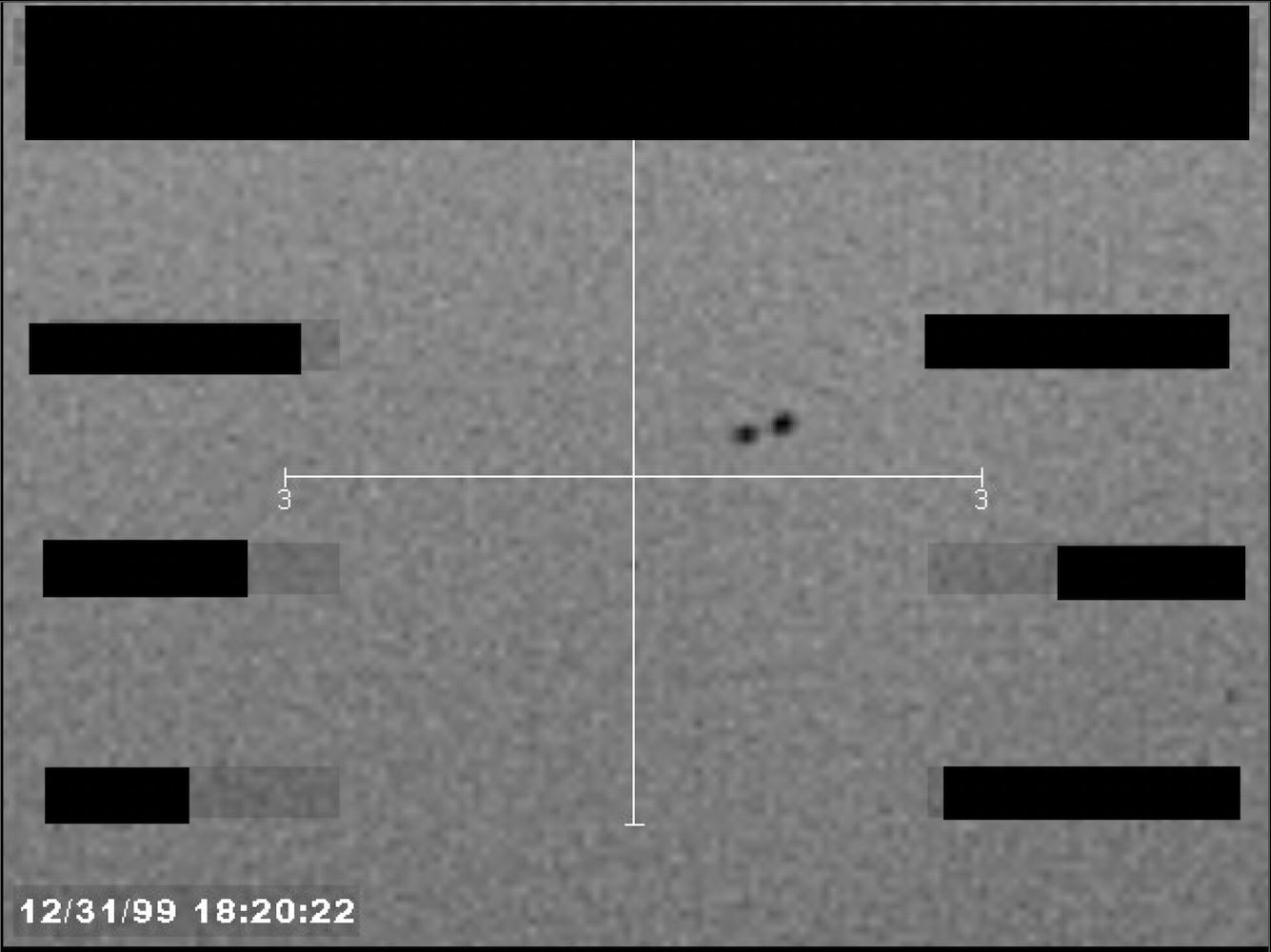
ODNI-UAP-D001: First-person narrative, senior U.S. intelligence officer
A senior member of the U.S. intelligence community, flying in a helicopter on a
dedicated UAP investigation mission, describes an encounter lasting over an hour.
Ground teams tracked an object on FLIR before visual confirmation. Radar at the
Joint Operations Center provided independent tracking. Fighter jets diverted from a training mission were called in to assist.
One object split into two and accelerated beyond the ability of pursuing aircraft
to match. The author writes it down, in full, in a document now declassified. This
is the most complete sensor chain (FLIR, naked eye, radar, fighter intercept) in the Tranche 2 PDF collection.
The redaction wall that defined the first phase is almost entirely absent from these new
documents. Tranche 2 PDFs average under 10 substantive redactions per file versus 62 in
the Tranche 1 mission reports. Either what arrived in the second tranche is genuinely less
sensitive, or there is no classified version. For a release driven by congressional
mandate, that ambiguity is itself a data point.
Then, in June 2026, a third tranche added 72 more records, and its character was different
again. Most of it is history: the 1953 CIA Robertson Panel, the U-2 and OXCART overflight
programs, NASA's Gemini crew debriefings, and decades of FBI files, almost all released in
full. Where Tranche 1 showed the wall, Tranche 3 showed the machinery of explanation behind
it, and one modern case that the apparatus could not fully close.
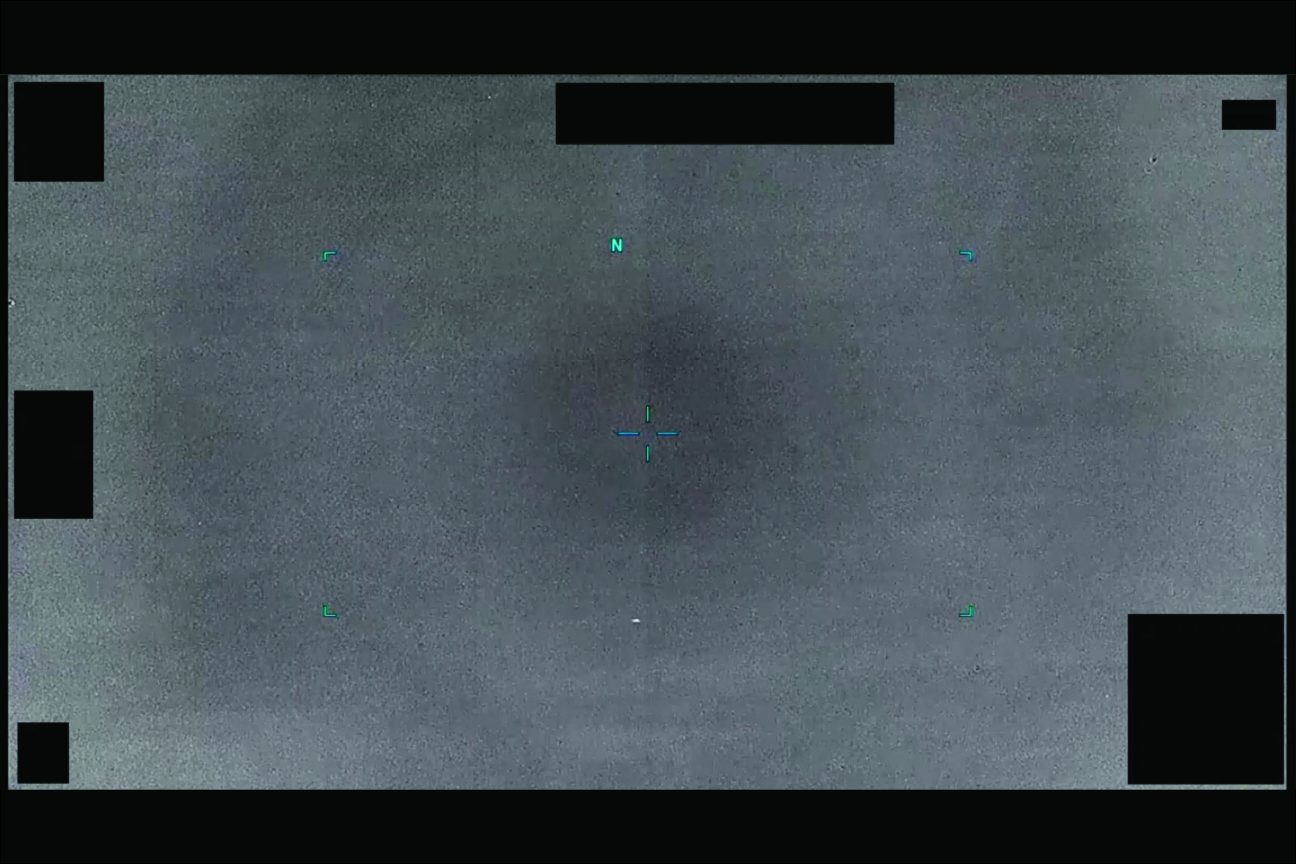
DOW-UAP-D077: AARO analysis of the western U.S. "orbs launching orbs" case
AARO's own unresolved-case analysis attributes roughly sixty percent of the western
U.S. event to military flares and conventional sources, then states plainly that about
forty percent remains unresolved. Five first-person witness narratives accompany it.
It is the clearest example in the whole collection of the apparatus explaining what it
can, and naming, in its own words, the part it cannot.
A fourth release followed in July 2026 — 36 records — and it did something the first
three had not: it reached back to the origin of the official question and forward to its most
recent nuclear-site case, and it documented both with primary sources rather than summaries.
DOE-UAP-D004: the verbatim Los Alamos conference transcript (1949)
On 16 February 1949 the institutional core of the American bomb program — among them
Edward Teller and the future Nobel laureate Frederick Reines — met in secret at Los
Alamos with the meteoriticist Lincoln LaPaz to explain the green fireballs then crossing
the New Mexico nuclear complex. Tranche 4 releases the classified minutes in full. LaPaz
argues the lights are not ordinary meteorites; the transcript records the Air Force folding
the phenomena into its newly-renamed Project Grudge. It is the earliest primary source in
the corpus, and it puts named physicists on the record, unable to explain the lights over
their own labs.
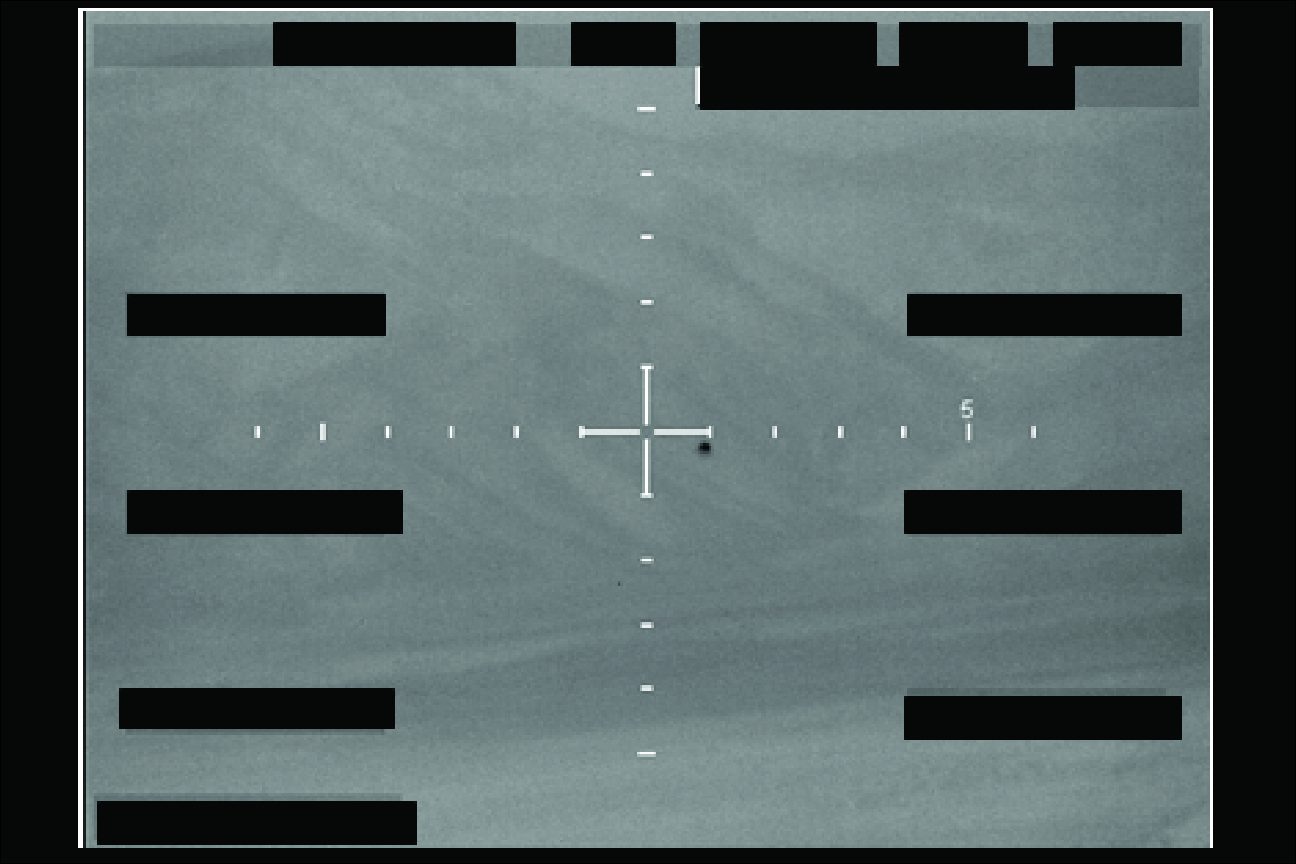
DOE-UAP-D005: the Pantex Plant incident report (2015)
Sixty-six years later, ground-surveillance radar at the Pantex nuclear-weapons plant detects
an unidentified object, and the Protective Force pursues it. Security officers watch it
through camera and binoculars and record “no sound and no identifiable propulsion.”
It is the primary source behind the Pantex image already in the collection, and the modern
bookend to Los Alamos: the same class of unexplained activity, over the same kind of
installation, sixty-six years apart.
Read together, the two bookends do one thing unambiguously: they turn the nuclear-proximity
pattern into a seven-decade, primary-source record. The government's own files now place
unexplained aerial activity over its most sensitive nuclear installations from Los Alamos and
Sandia in 1949 to Pantex in 2015 — the best-attested throughline in the entire release.
The honest caveat still holds: the clustering has not been corrected for observation density,
since nuclear sites are also where the cleared observers and the best sensors are. But the
pattern itself is no longer an inference drawn by civilian researchers. It is on the record,
in the government's own hand.
Between the bookends, Tranche 4 supplied the machinery of official study itself as primary
documents: Project Sign (1948), the Air Intelligence “Analysis of Flying Object
Incidents” of 1948 and 1949, Blue Book correspondence, and the 1966 committee that
spawned the Condon report. The System had
assembled that arc from secondary accounts; now the founding paperwork is in hand. The
government has opened — and closed — this question before, and the record of how it
did so is finally on the table. Tranche 4 did not break the tie; it pushed both ends of the
documented record further apart in time and closer to primary sources.
The honest verdict is unchanged across all four releases: the machine is real, the cargo
is still undetermined, and the record cannot break the tie. What changed is the size of the
corpus, the pedigree of the official explanations now visible, and the precision of the open
questions. The documents that would settle it are identified. They are not yet public.
Undetermined does not mean unexaminable. The two working explanations that fit the strangest
patterns in this record better than their rivals, each stated formally, checked prediction by
prediction against named documents, and given its falsifier, are on
The Hypotheses. That page is where this
investigation's verdict goes next.