The visual record behind the investigation: declassified military sensor stills, FBI file imagery, NASA Apollo photographs, and the witness-derived renderings the FBI commissioned from interview testimony. Click any image to enlarge it.
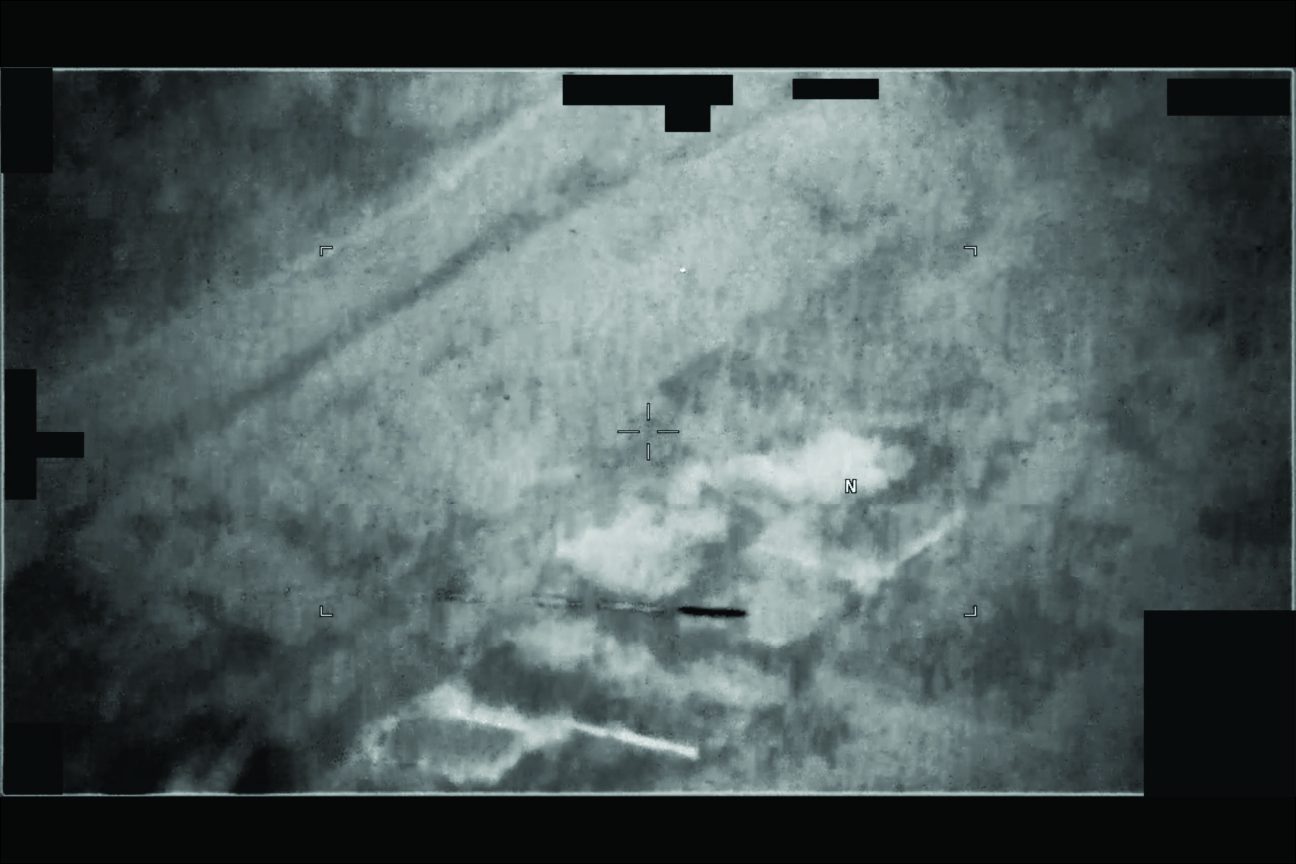
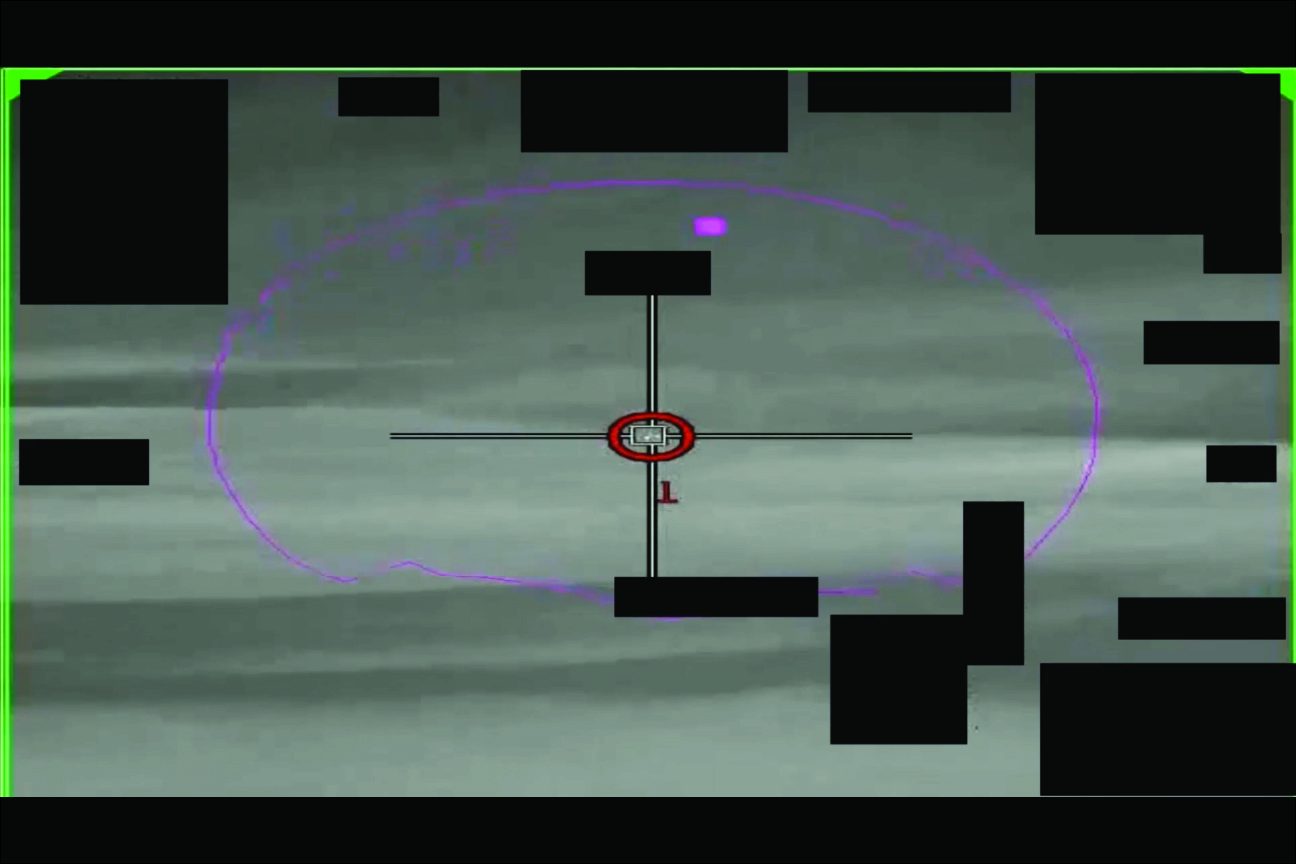
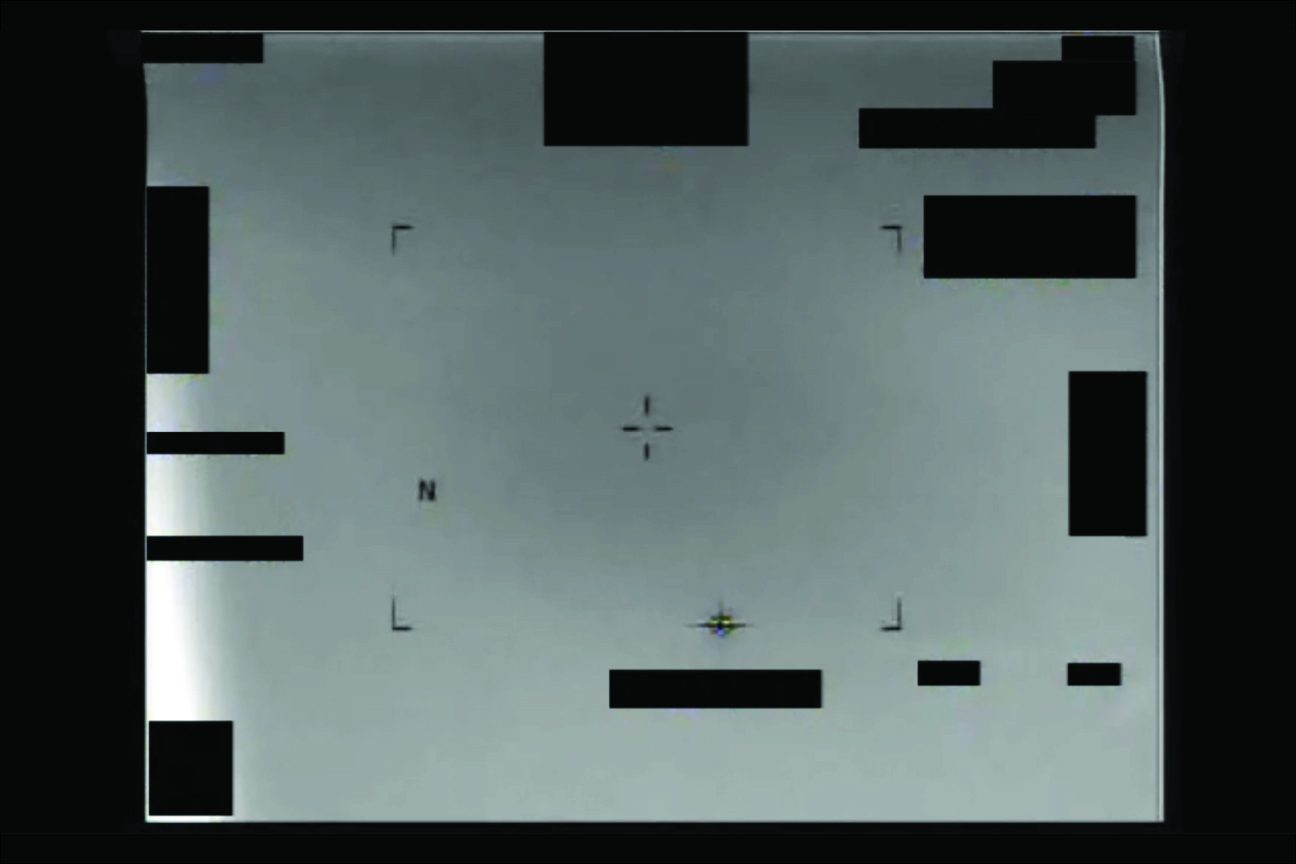
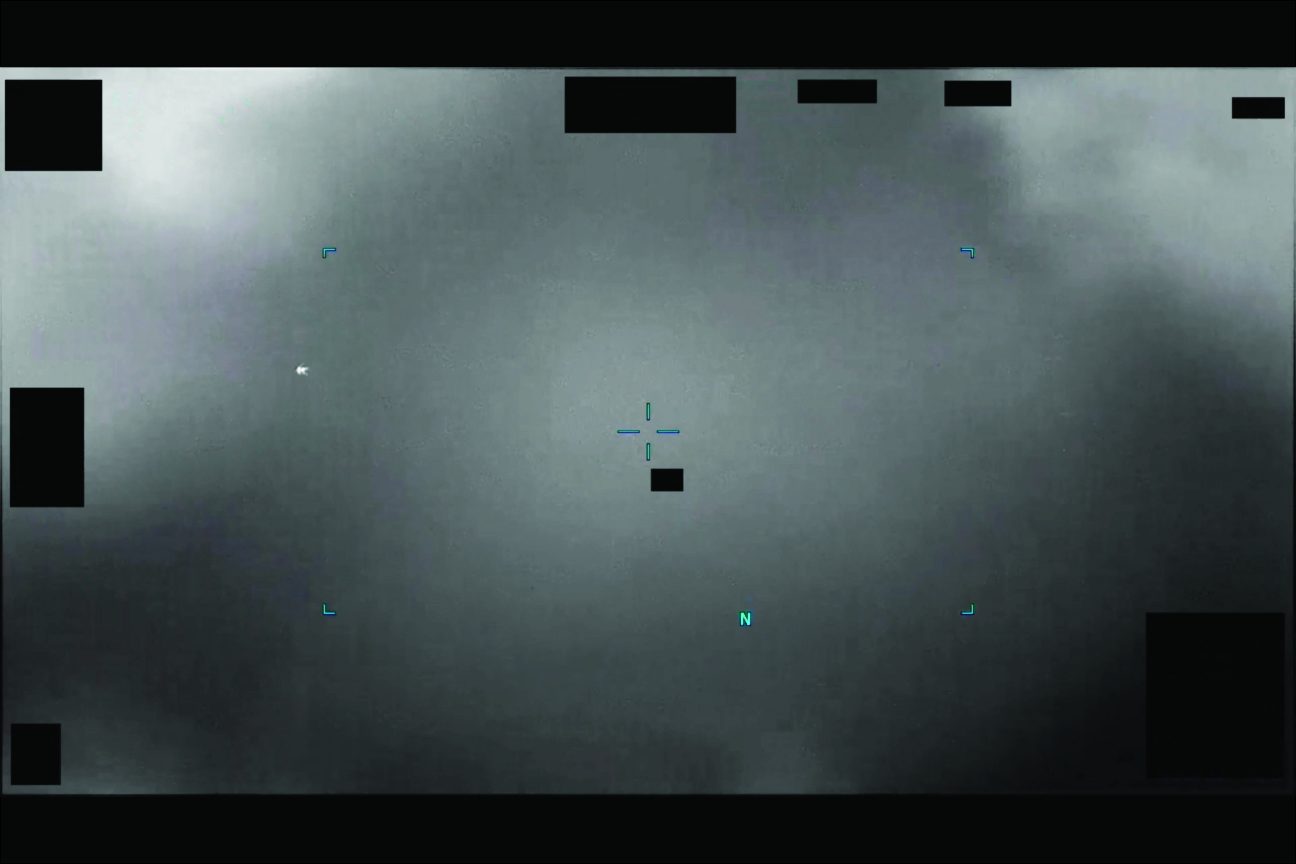
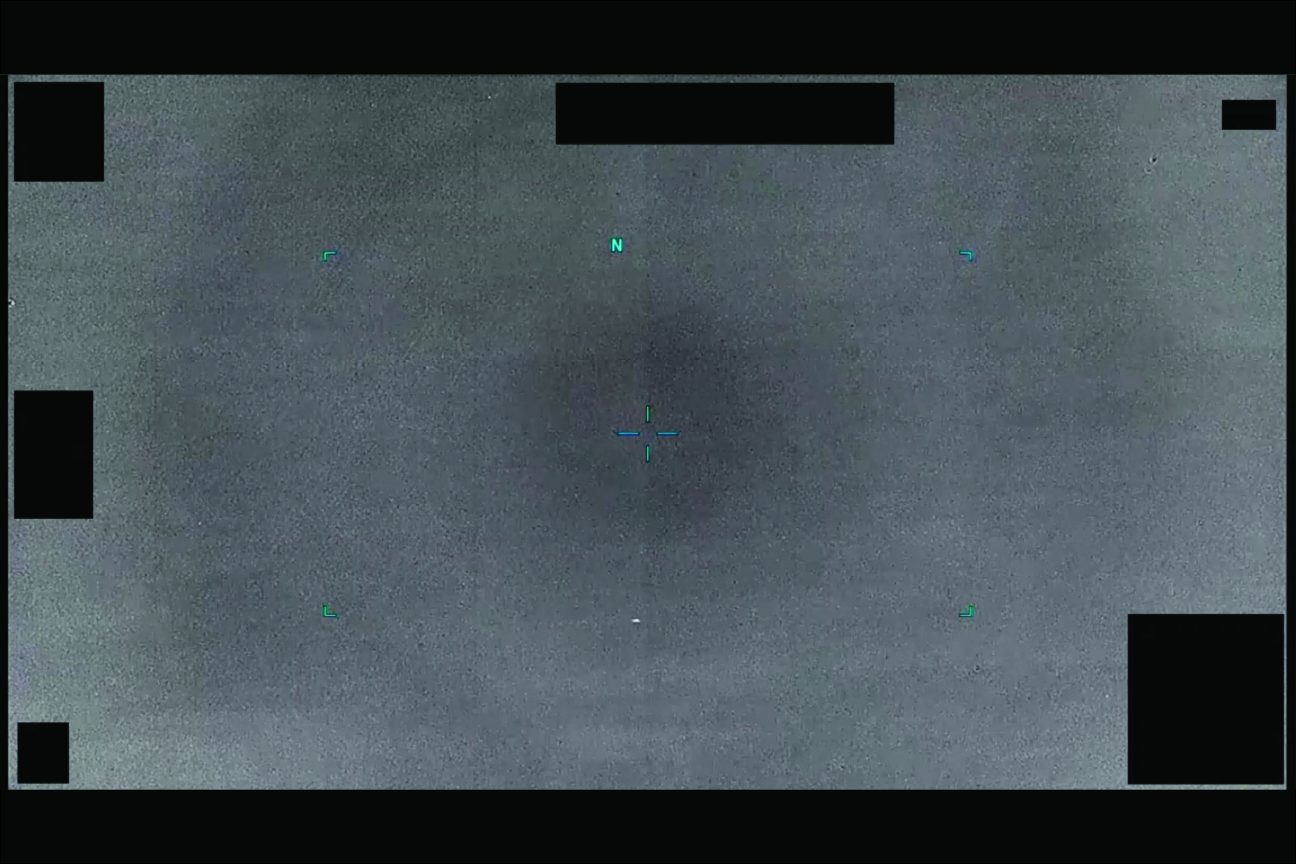
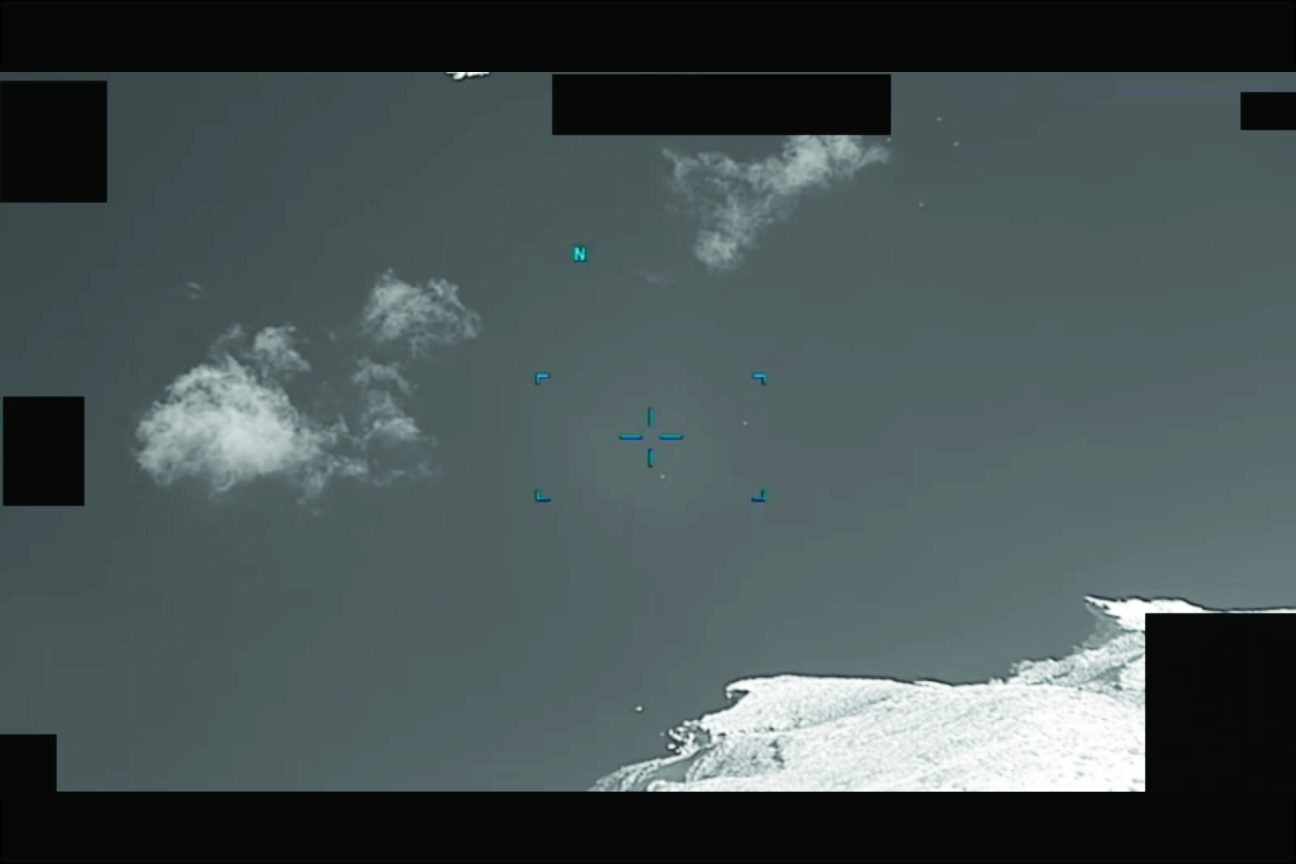
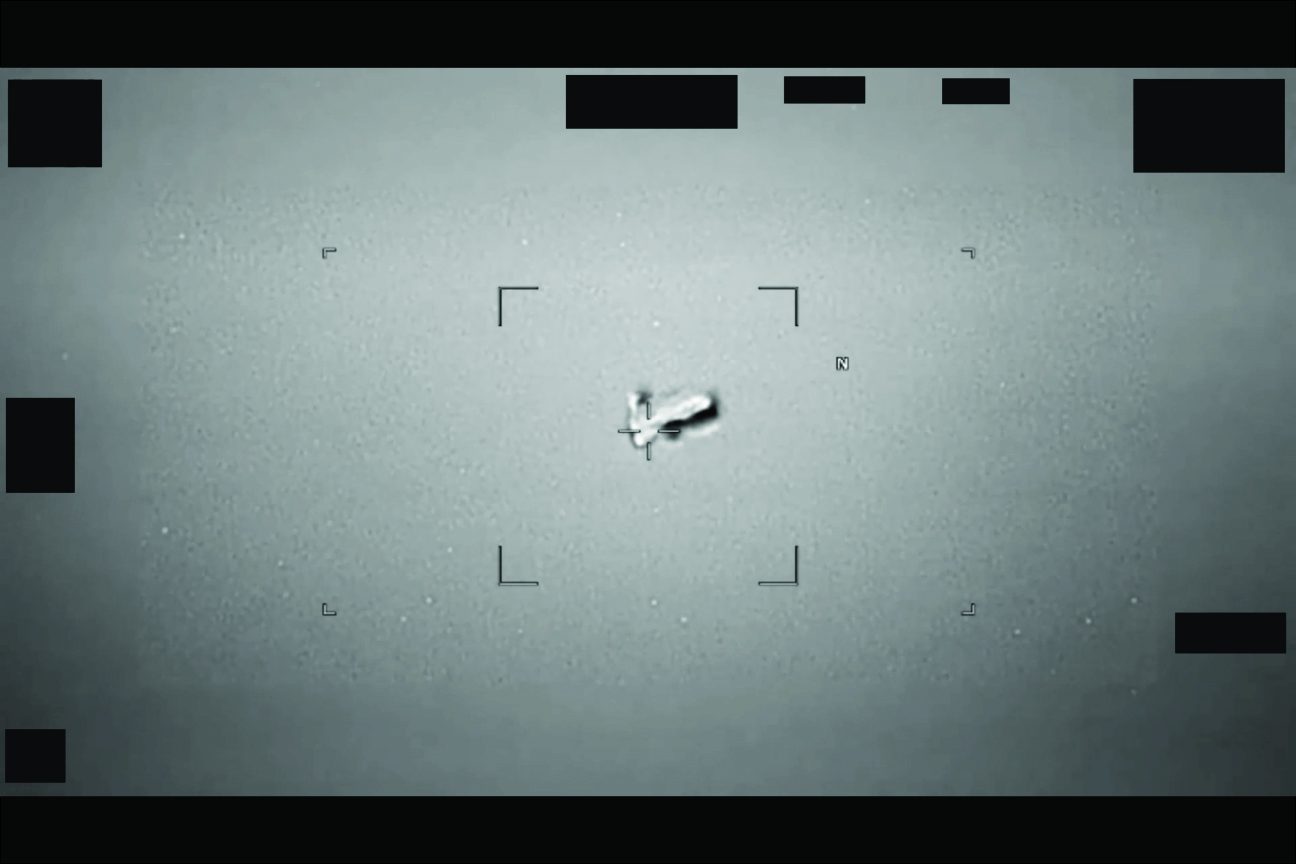
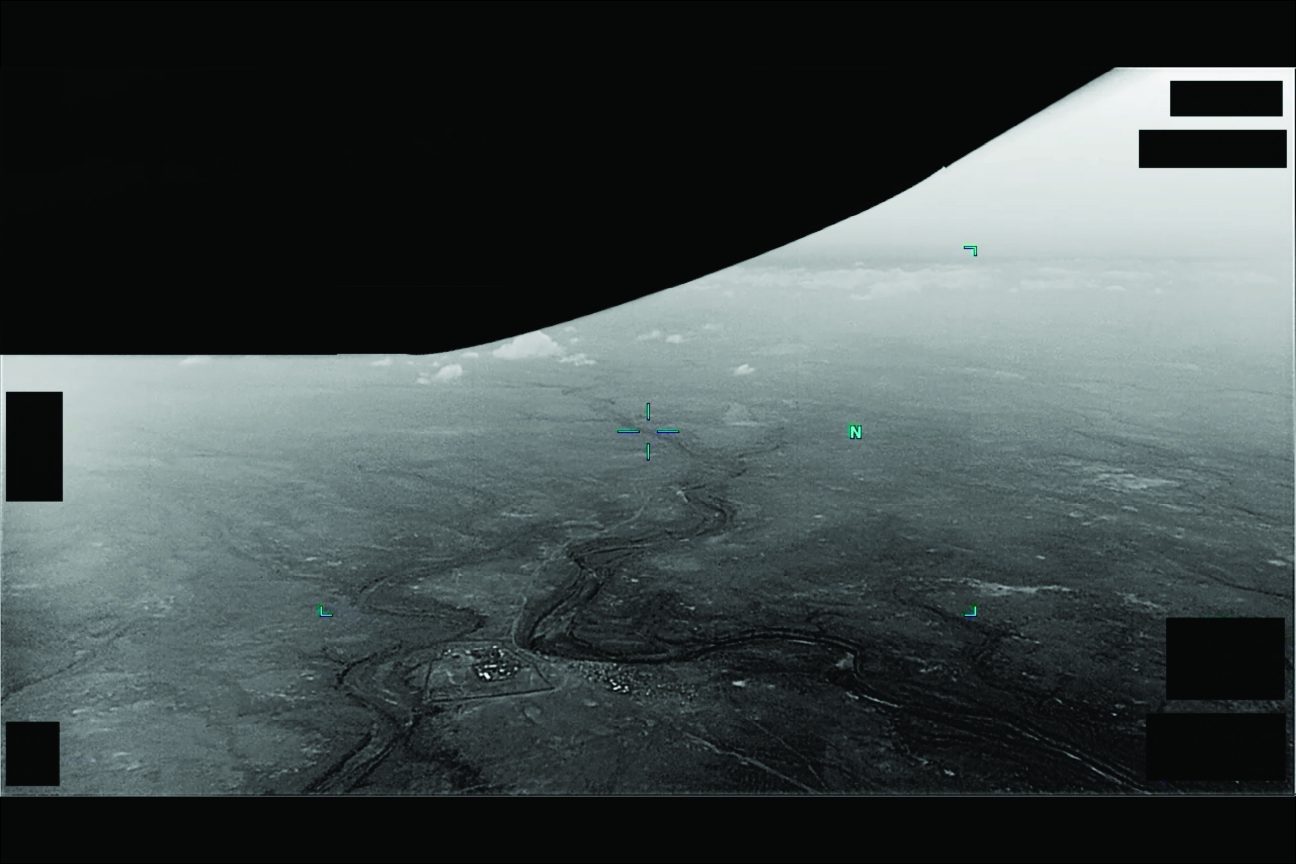
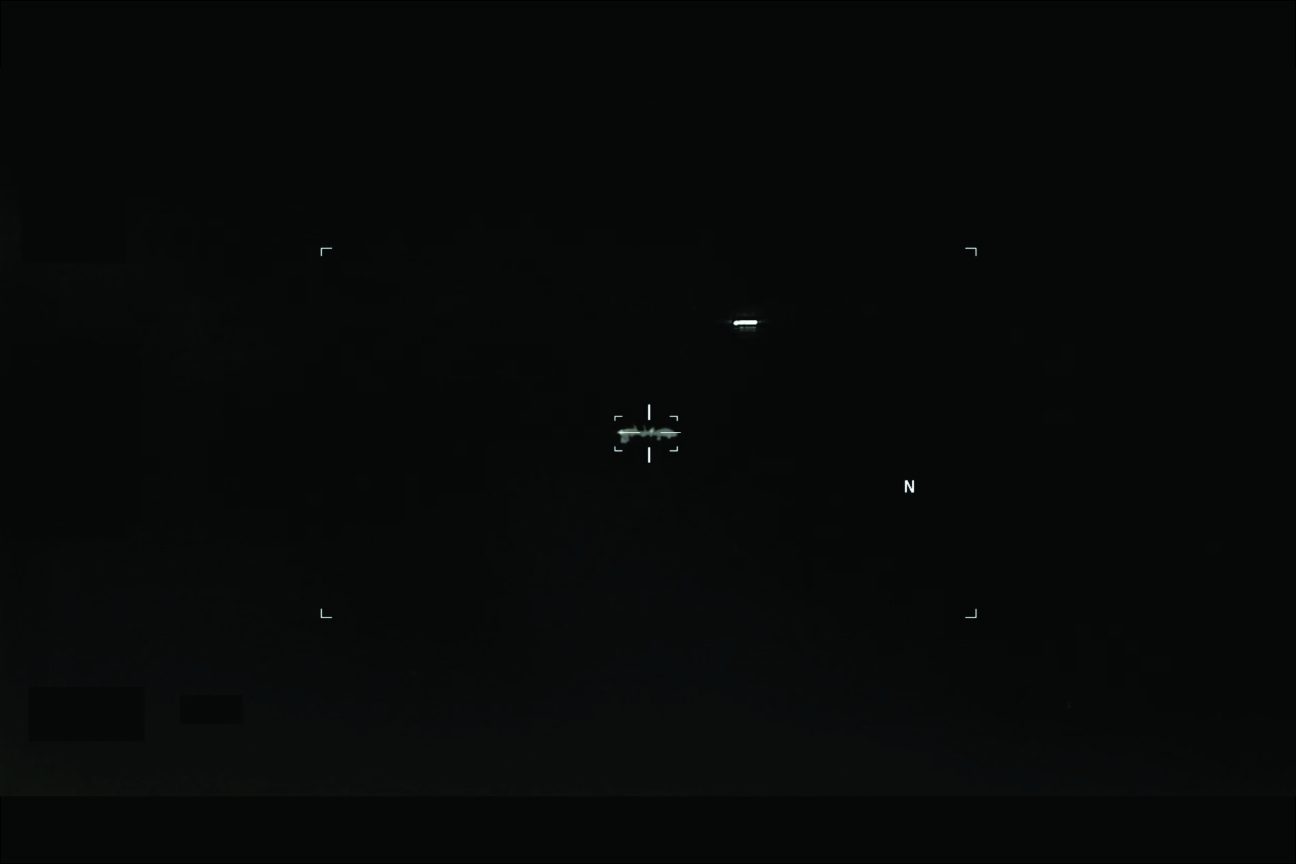
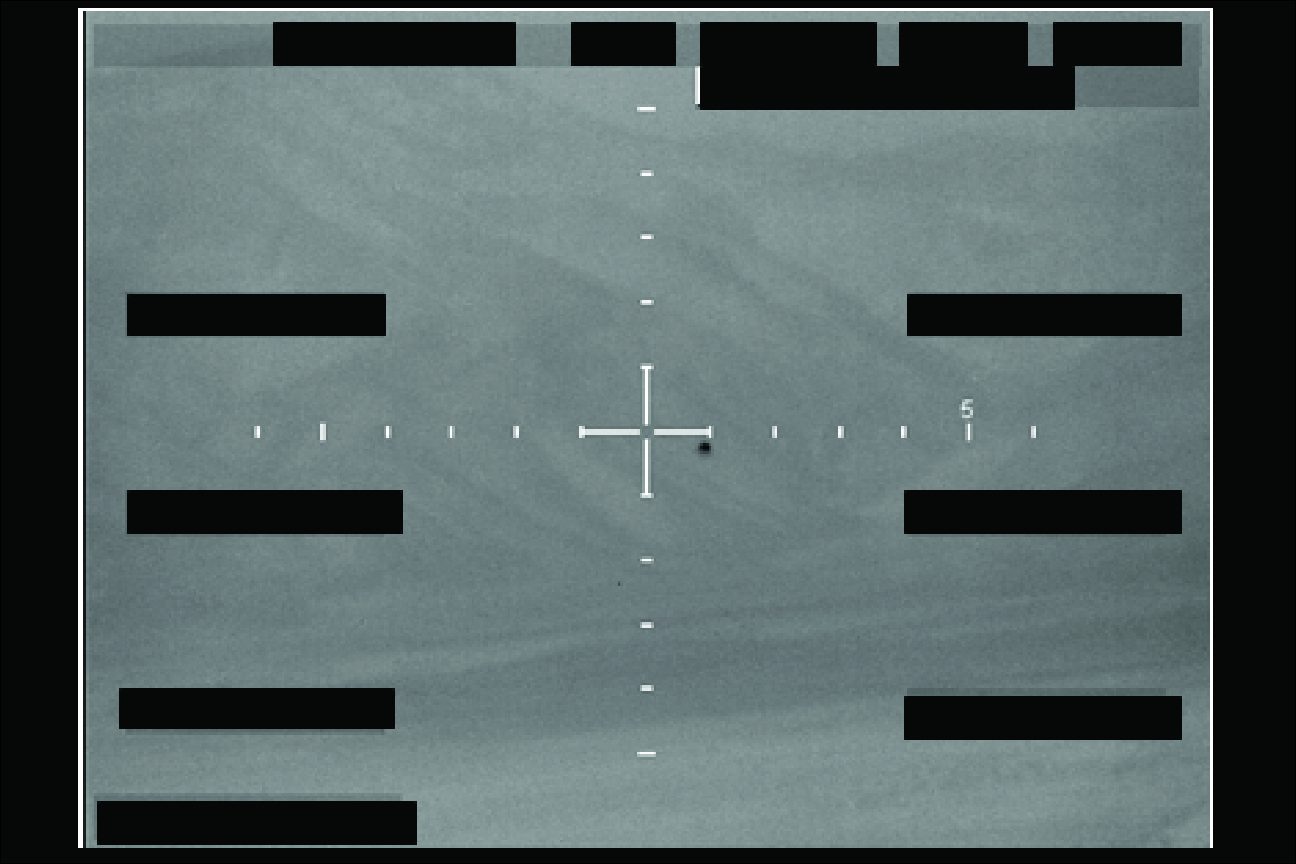
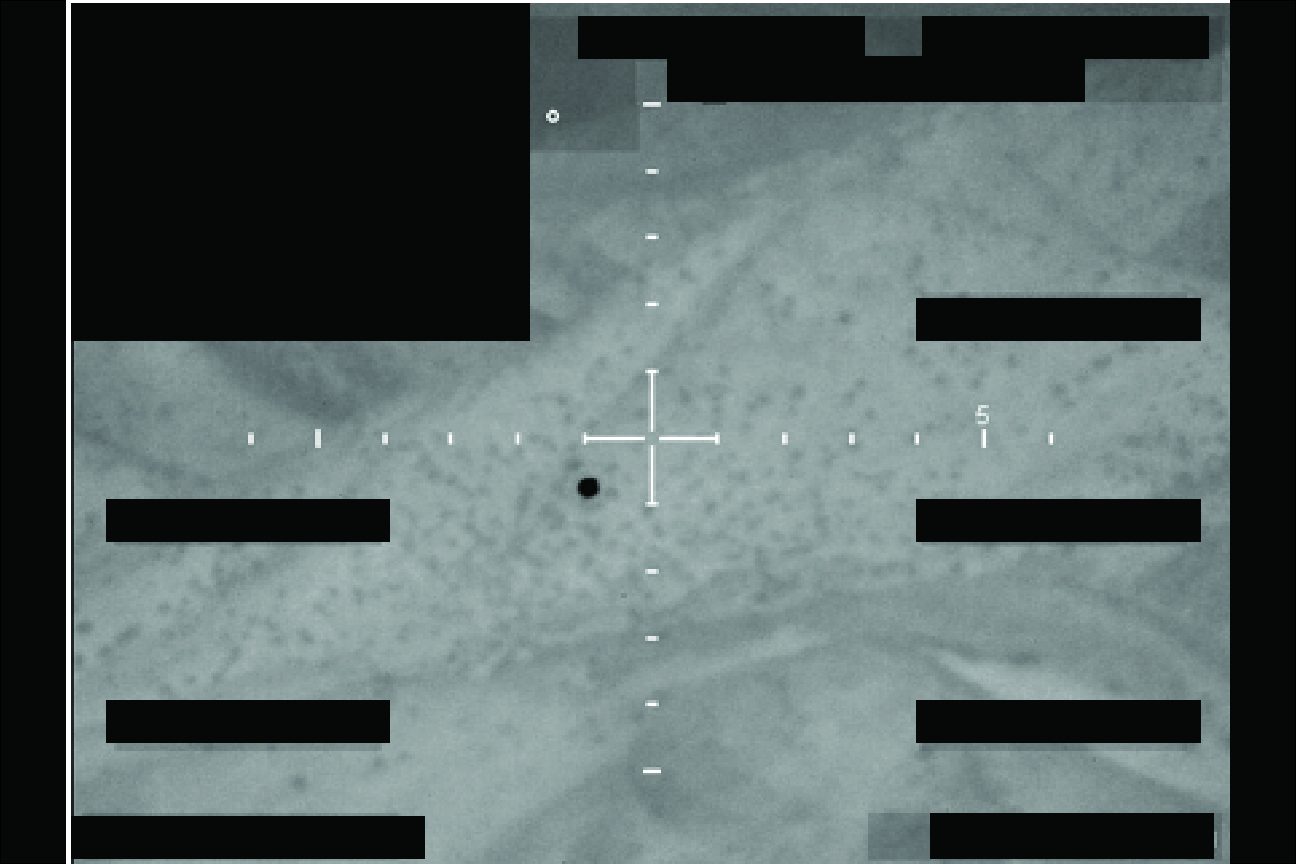
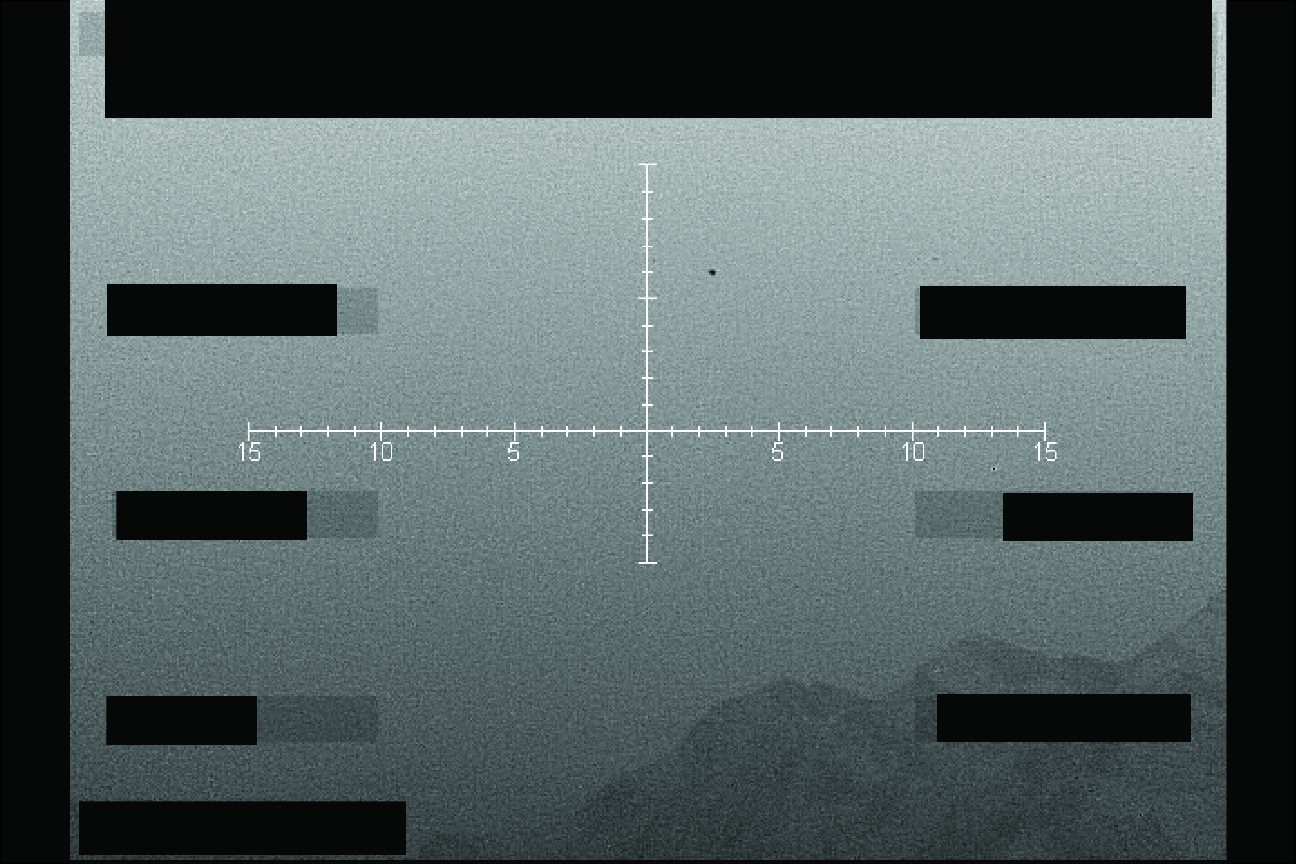
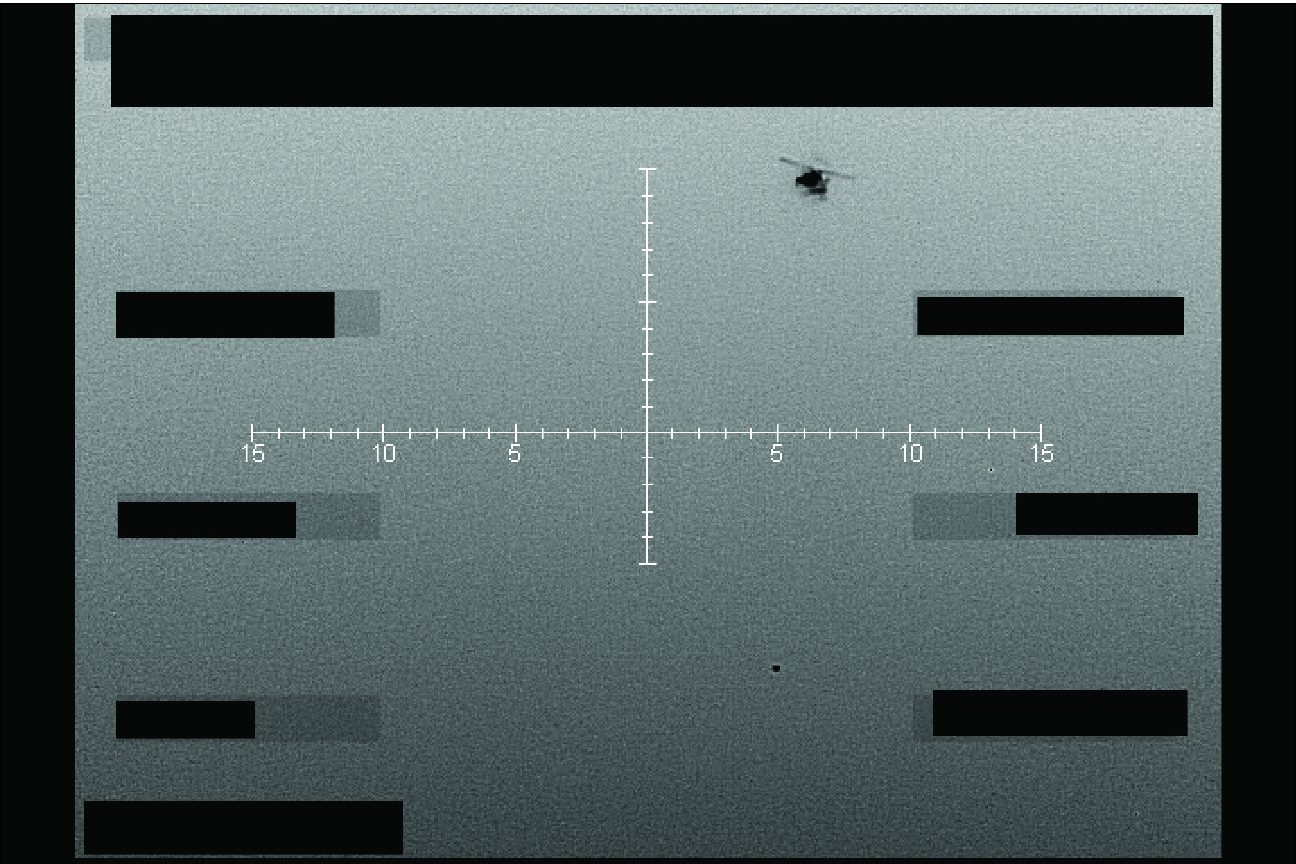
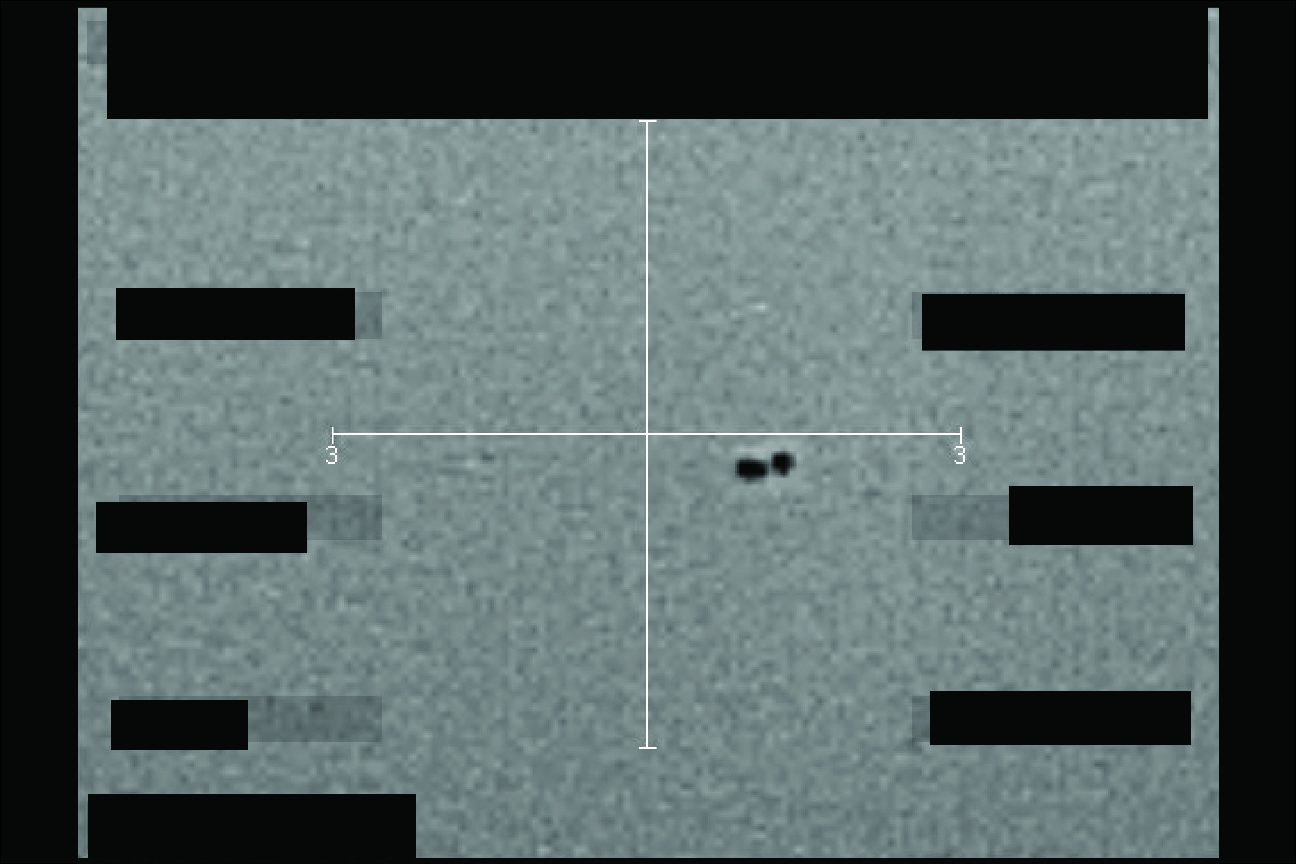
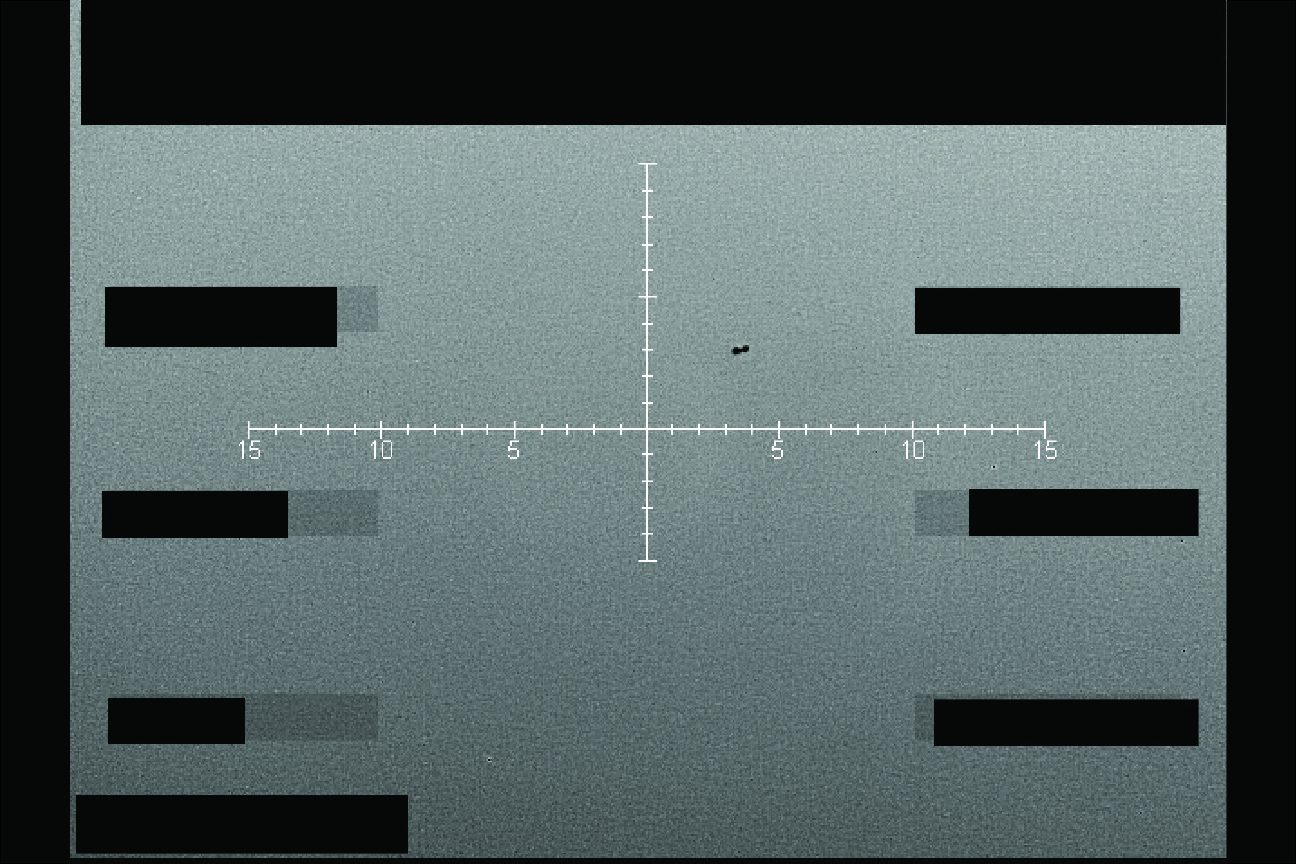
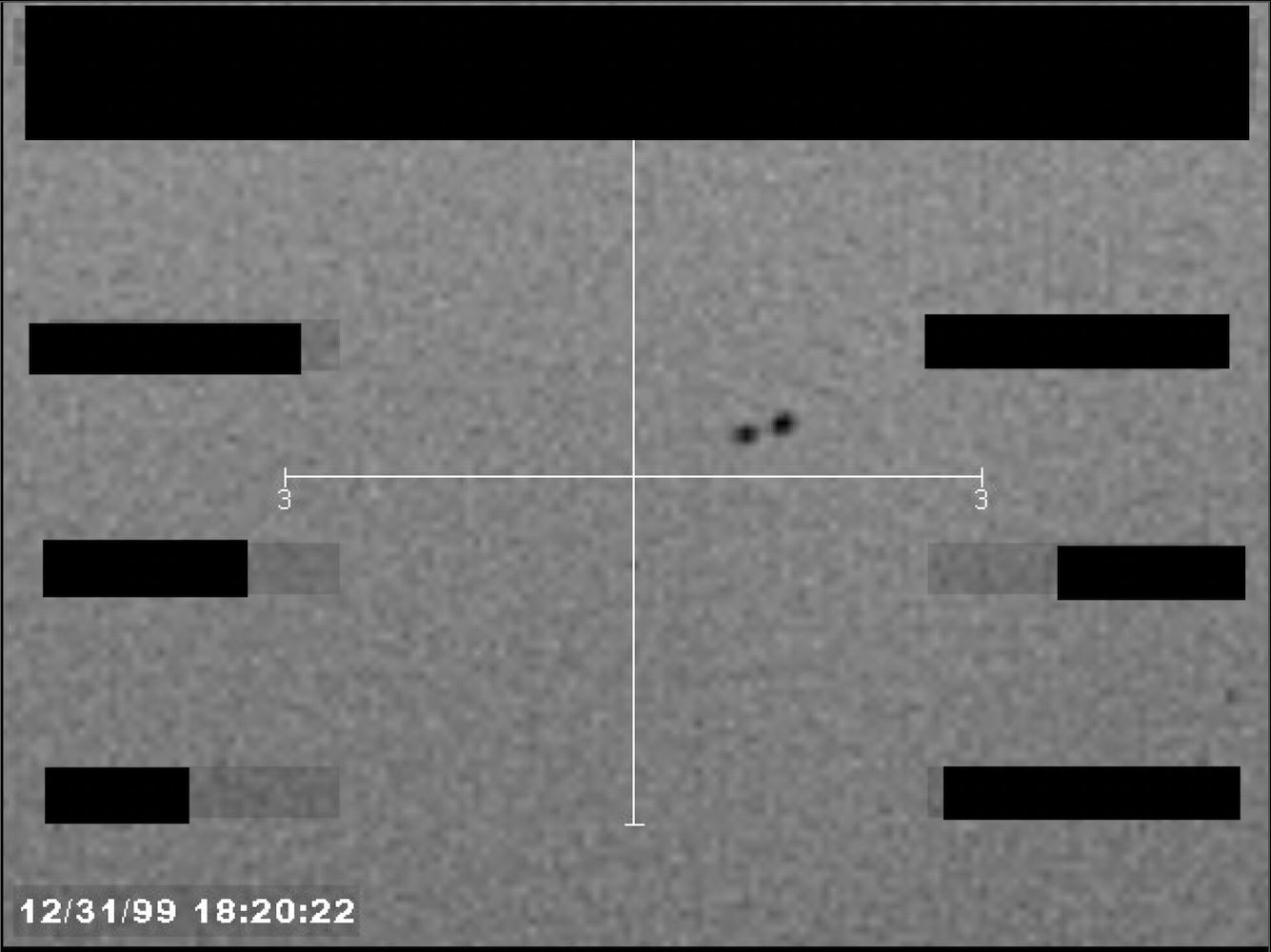
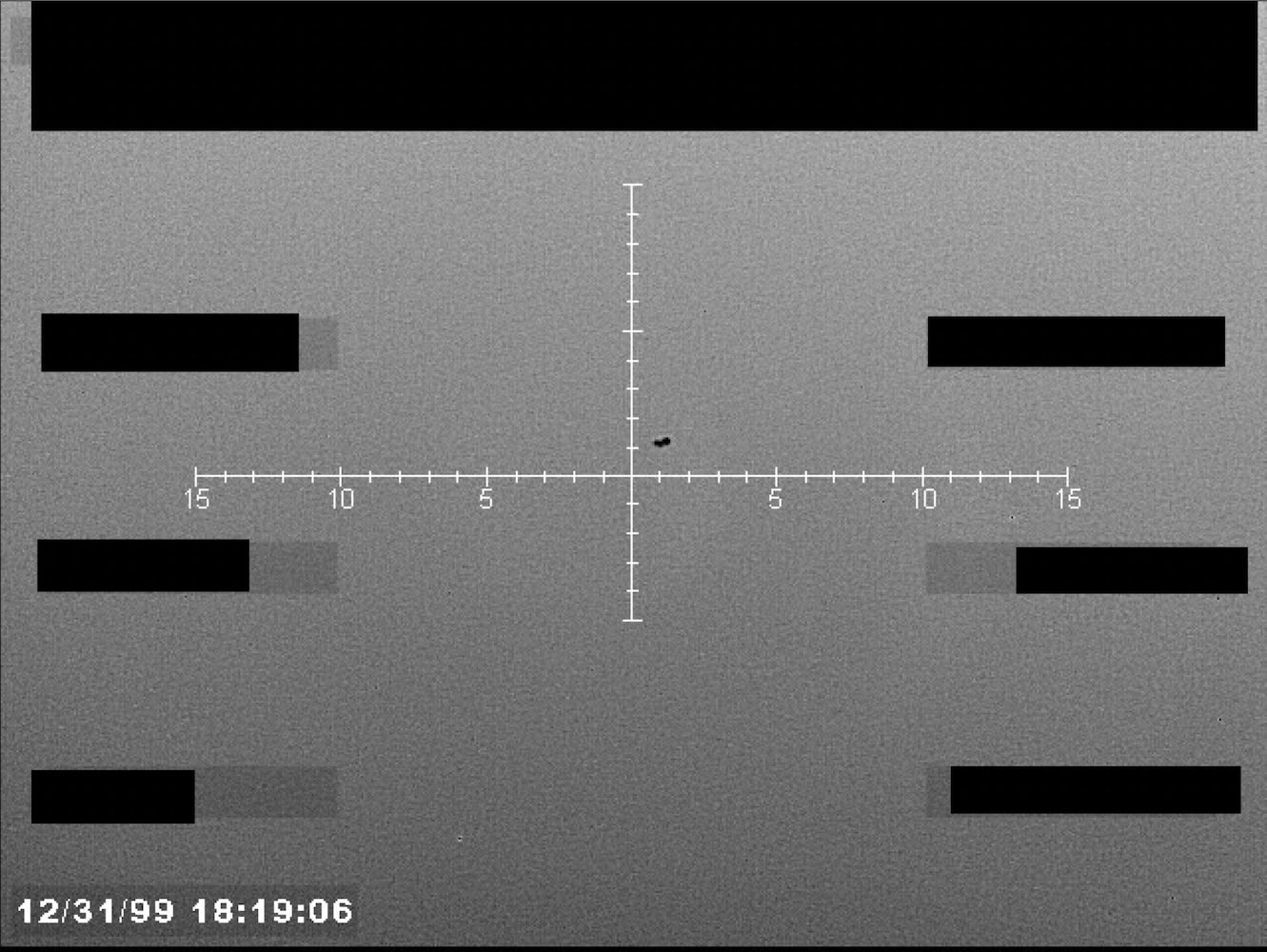
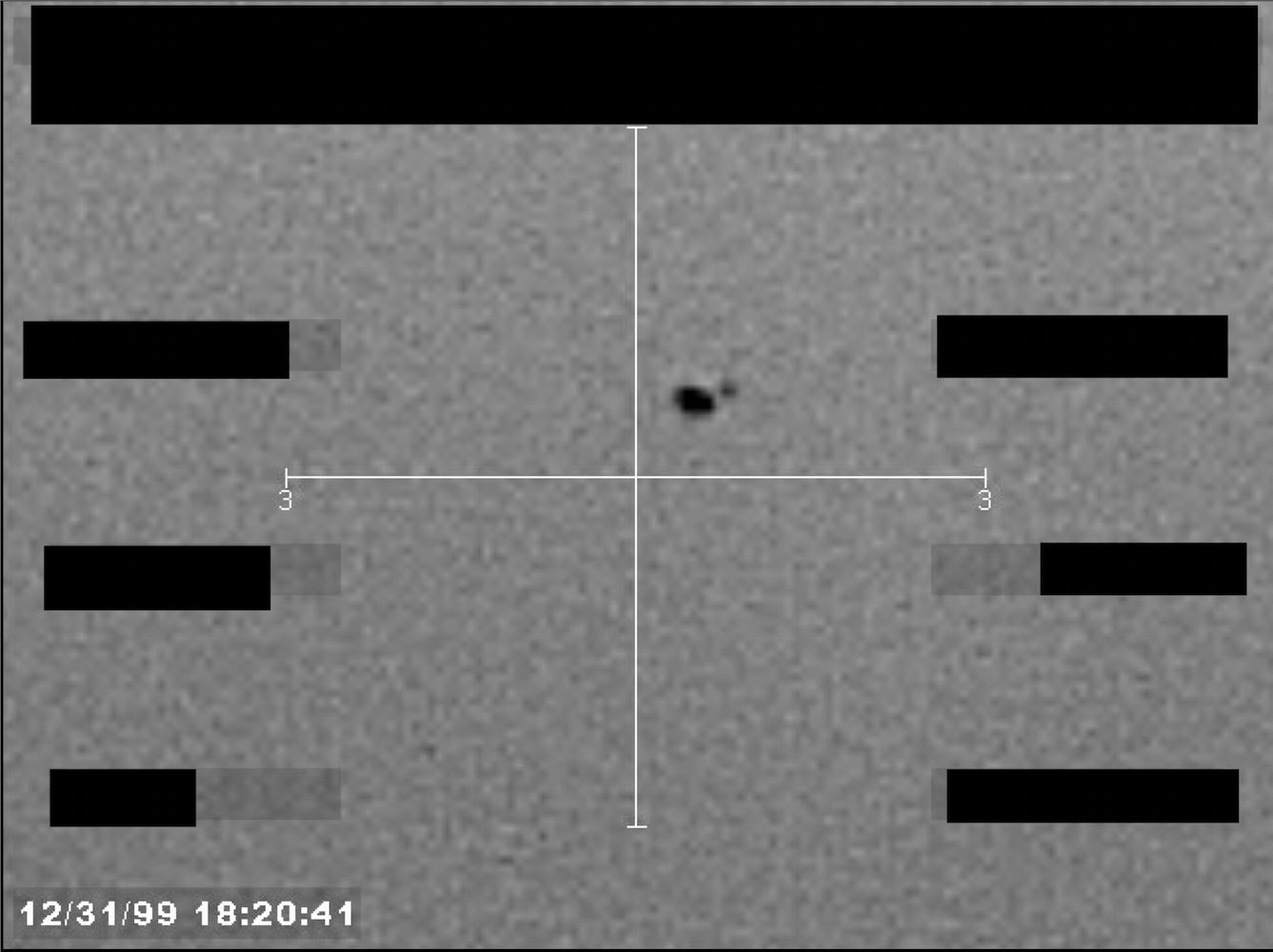
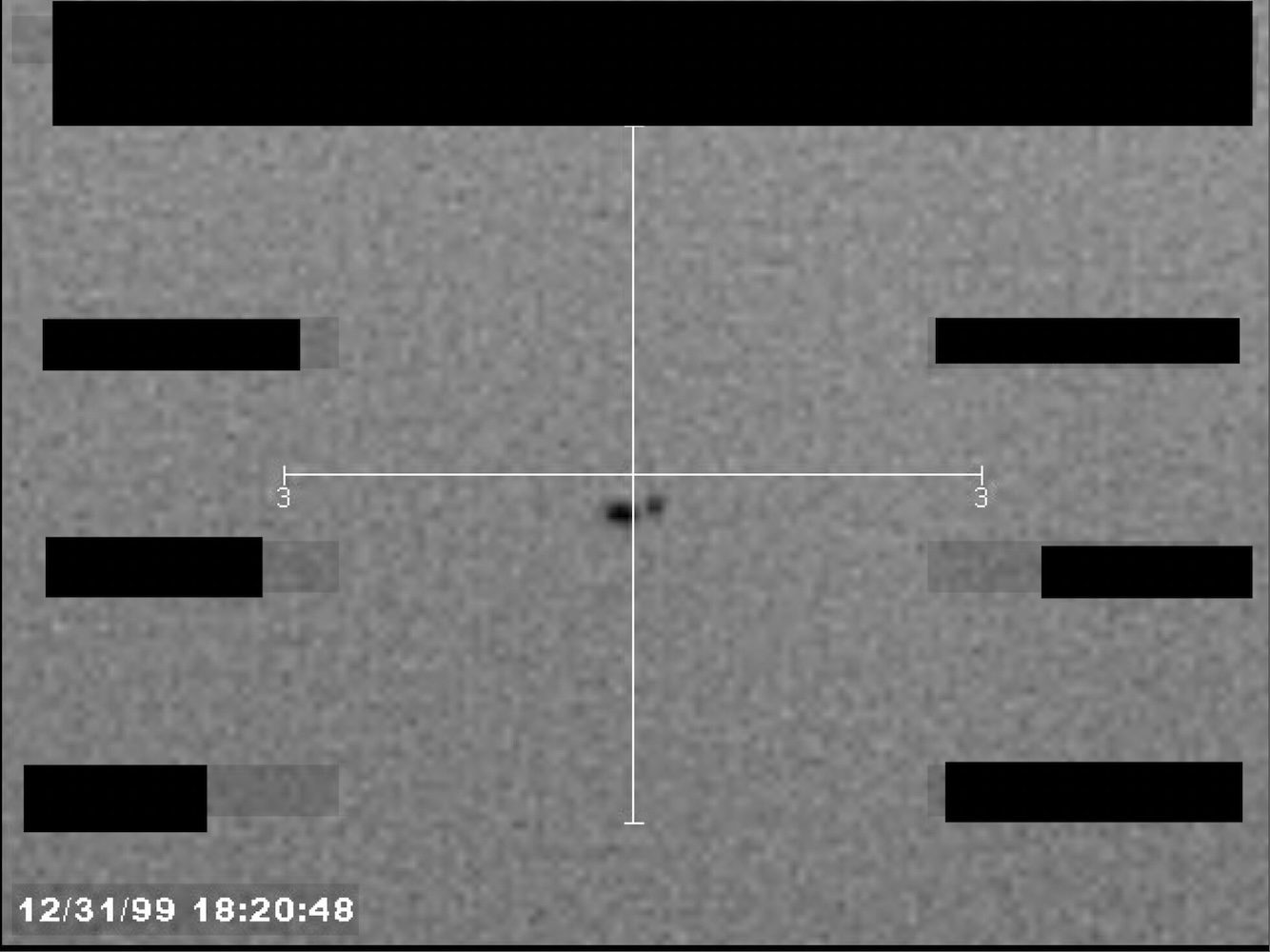
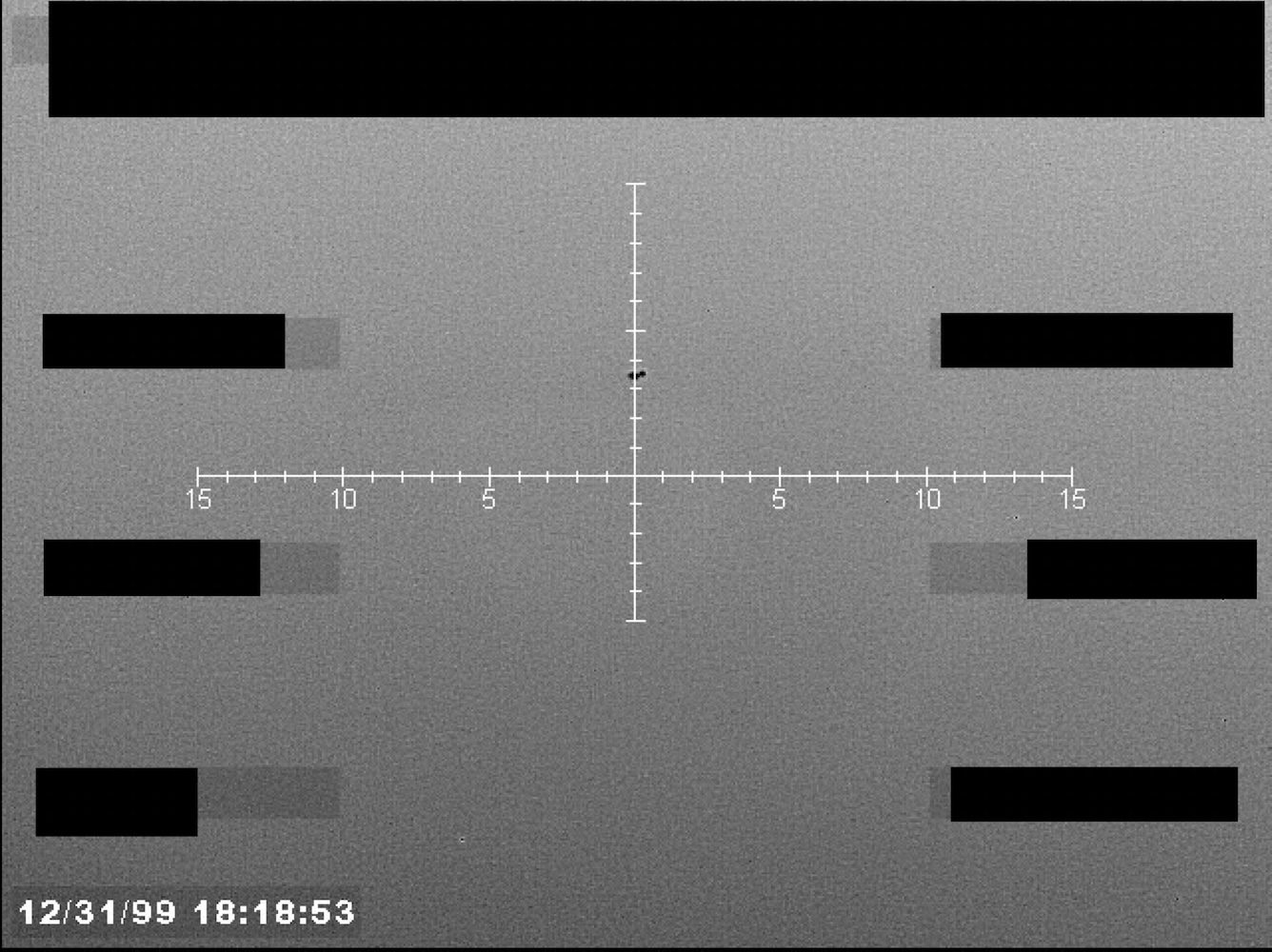
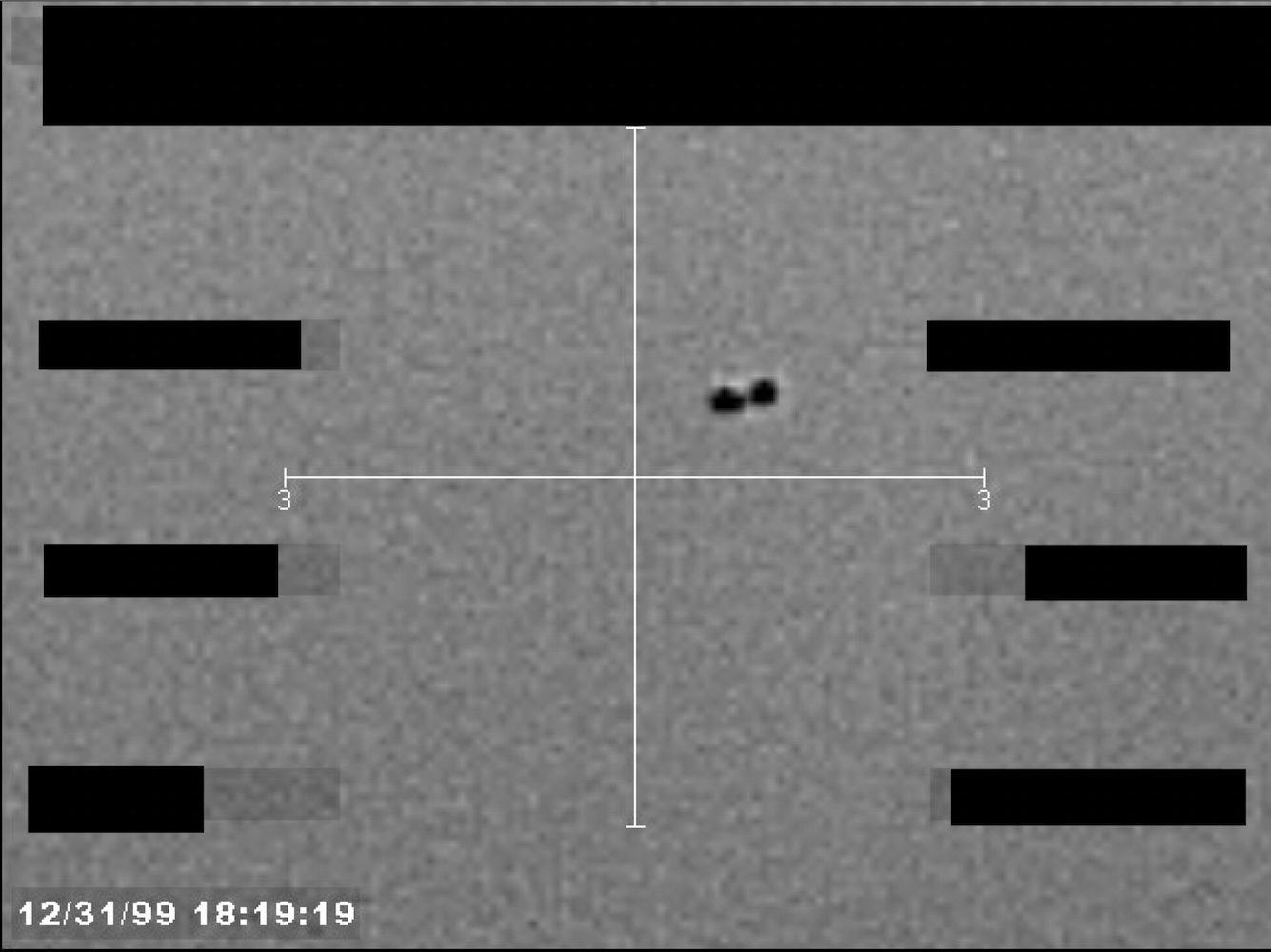
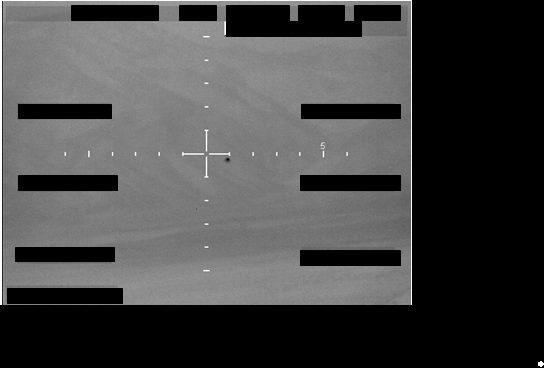
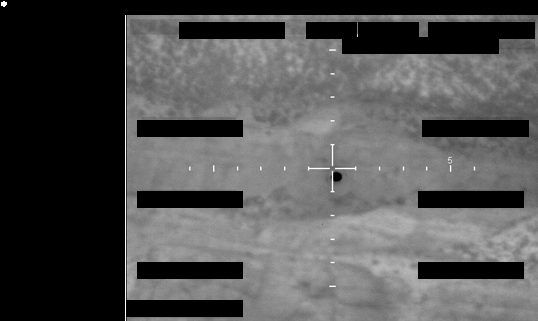
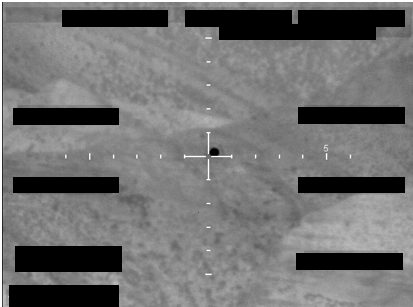
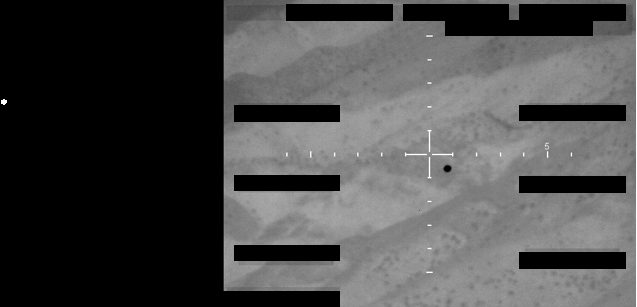
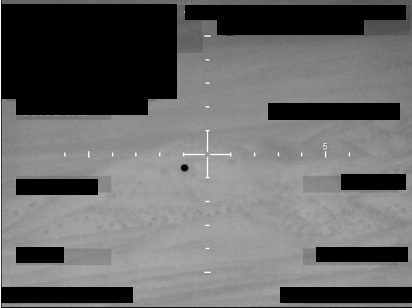
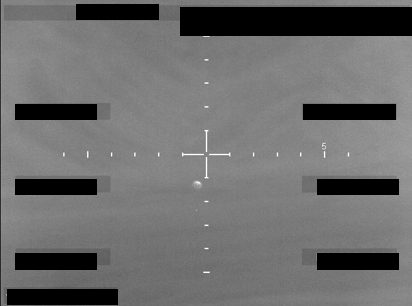
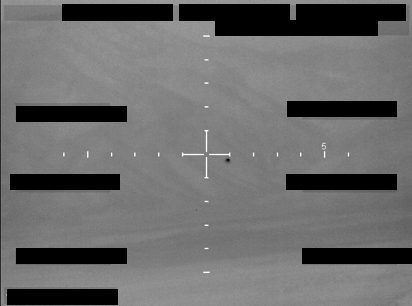
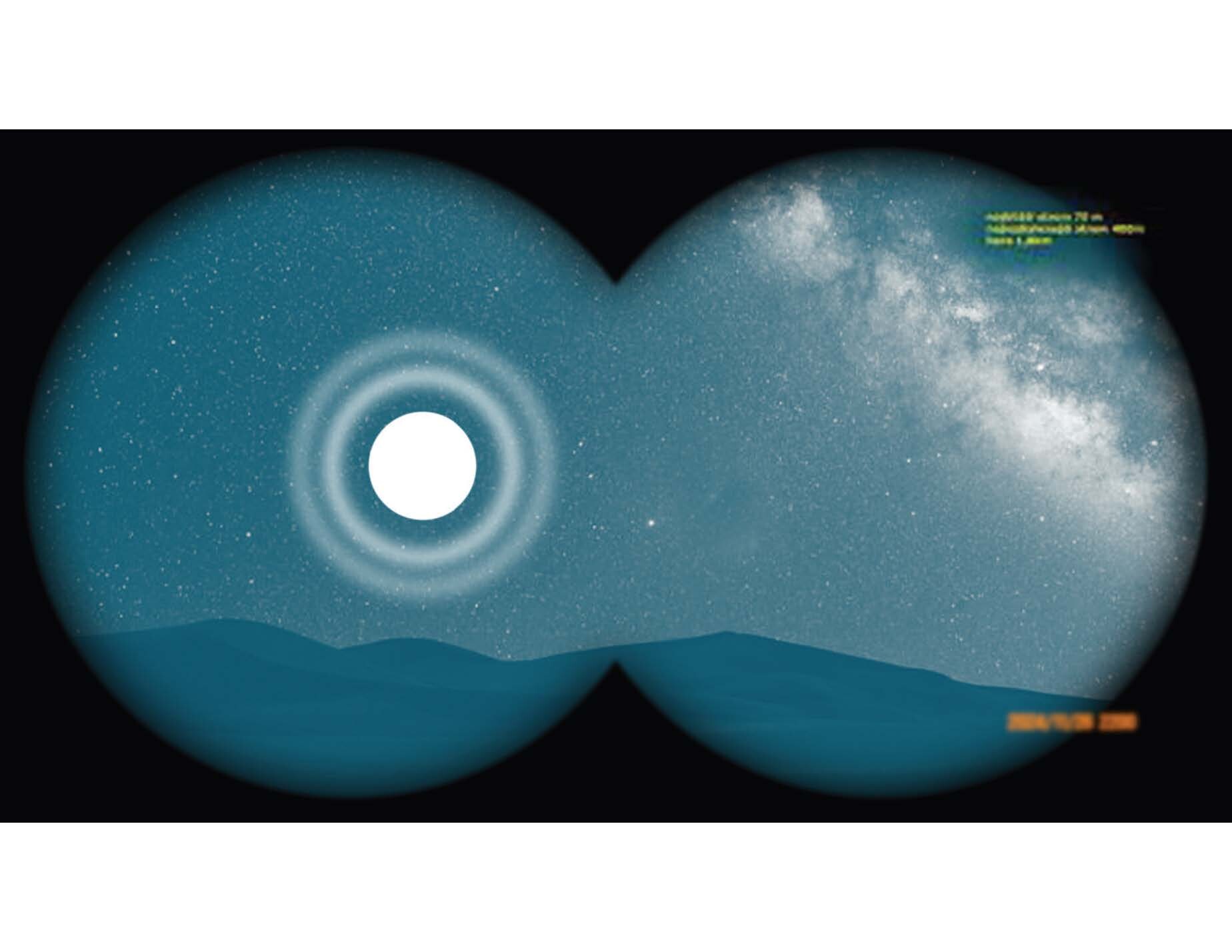
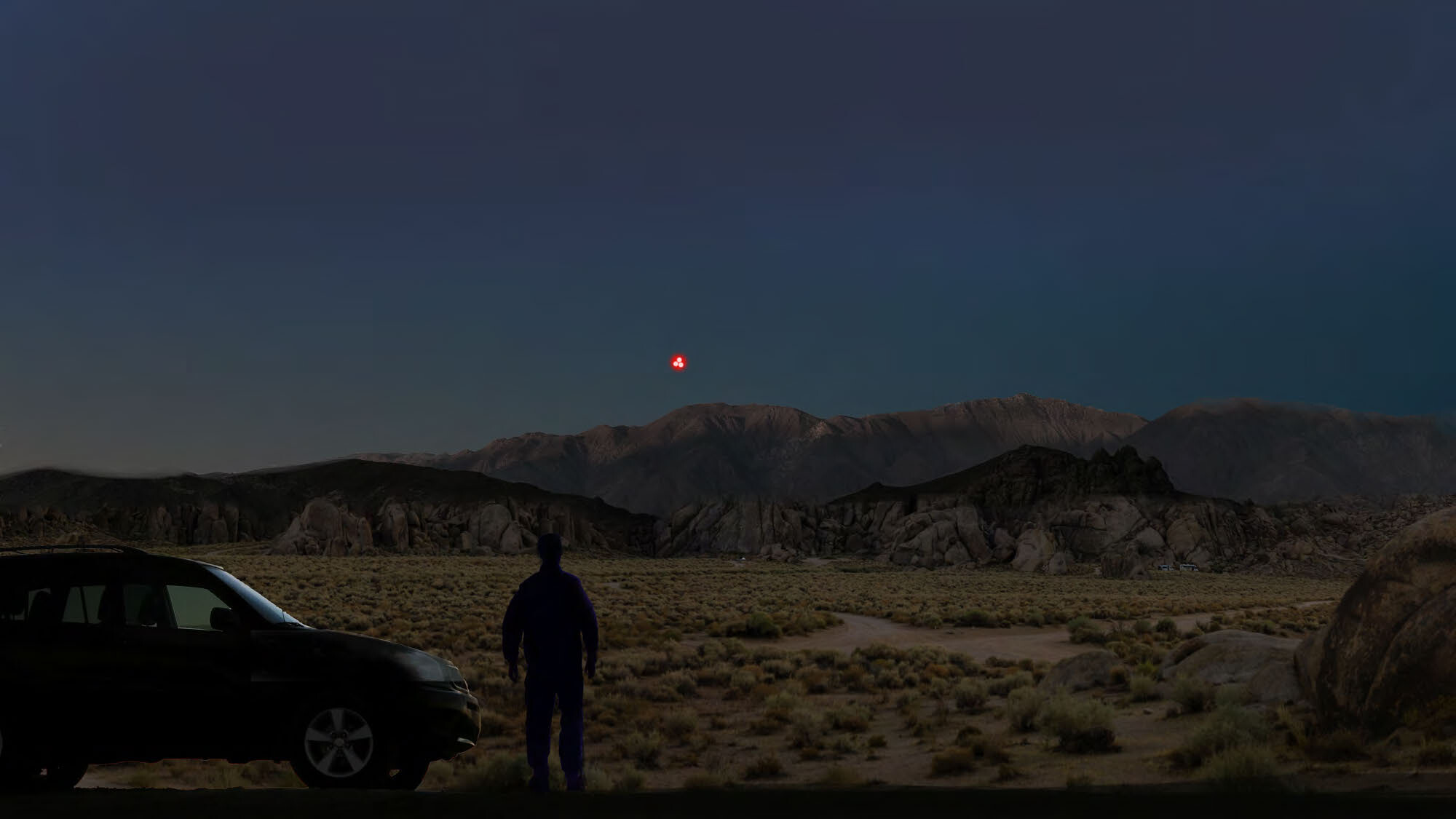
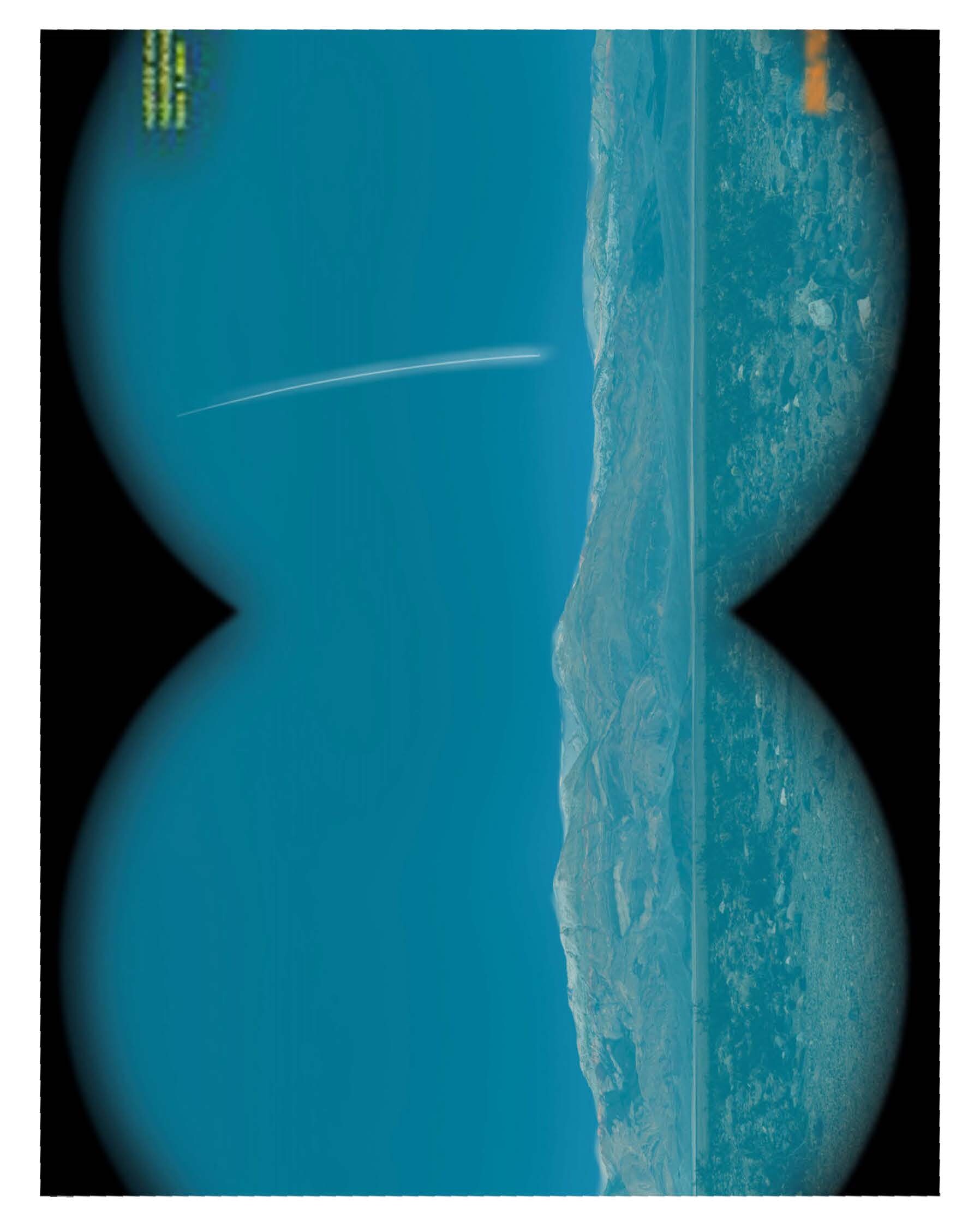
A note on what these images are. The first three groups are infrared sensor stills, single frames pulled from military targeting cameras, rather than crisp photographs of craft. The grey fields are sky and terrain seen through a thermal sensor, the crosshairs are tracking reticles, and the black rectangles are redactions applied before release. The final group is different in kind: nine witness-derived renderings, artist illustrations drawn from interview testimony, which are evidence of what someone reported rather than evidence of what was there. Every image on this page is shown exactly as the agency released it, including one rendering that arrives rotated a quarter turn.
Modern military sensor imagery
Declassified stills released with Department of Defense UAP reports between 2013 and 2026. Each is an infrared targeting-camera frame, and the black rectangles are redactions applied before release.
UAP Report: Middle East, May 2022A declassified US military sensor still released with a Department of Defense UAP report. The crosshair is the sensor’s tracking reticle. The black rectangles are redactions covering targeting and location data.UAP Report: Middle East, 2020A declassified UAP report sensor still. The grey field is terrain or sky seen through an infrared targeting camera, and the redaction blocks hide the surrounding metadata.UAP Report: Middle East, 2013One of the older sensor stills in the collection. Reports logged years before the recent wave of attention were declassified alongside the newer ones.UAP Report: United Arab Emirates, October 2023A sensor still from the UAE operating area. The UAE and Greece were two of the densest single-region clusters in the modern record.UAP Report: Greece, October 2023A Greek-operating-area sensor still. A faint dark form sits near the centre crosshair, the kind of low-detail contact these reports typically log.UAP Report: Greece, October 2023A second Greek-area report from the same month. Several Greek incidents were recorded only weeks apart.UAP Report: Indo-Pacific, 2024A sensor still from the Indo-Pacific theatre. It is one of the few major incidents in the modern collection outside US Central Command’s Middle East area.UAP Report: Africa, 2025A recent sensor still from the Africa theatre, declassified within a year of the encounter.UAP Report: Department of the Army, 2026The most recent image in the collection. In this near-dark night frame a tracked object sits in the centre brackets, with a second bright form above it.
FBI file imagery
Imagery released through FBI UAP file requests. These are targeting-camera stills. Several carry timestamps from 1999.
FBI File Imagery: sensor stillImagery released through FBI UAP file requests. Like the military reports, it is a targeting-camera frame, and like them the metadata is hidden behind redaction blocks.FBI File Imagery: tracked contactA sensor still with a dark contact just left of the tracking crosshair. The eight surrounding black rectangles each cover a removed data field.FBI File Imagery: over terrainA sensor still showing ridgelines along the lower frame, a measurement scale across the centre, and redaction blocks at every metadata position.FBI File Imagery: sensor stillOne of the FBI-released targeting-camera frames. The collection holds a series of these, consecutively numbered.FBI File Imagery: sensor stillA redacted sensor still from the FBI file series.FBI File Imagery: sensor stillA redacted sensor still from the FBI file series.FBI File Imagery: dated 31 Dec 1999A sensor still carrying a visible timestamp of 31 December 1999, 18:20:22. Two small dark contacts sit just above the tracking line.FBI File Imagery: dated 31 Dec 1999From the same 1999 sequence, timestamped one minute earlier. A single small contact hovers near the crosshair.FBI File Imagery: sensor stillA targeting-camera frame from the FBI file series, with the standard pattern of metadata redaction.FBI File Imagery: sensor stillA targeting-camera frame from the FBI file series.FBI File Imagery: sensor stillA targeting-camera frame from the FBI file series.FBI File Imagery: sensor stillA targeting-camera frame from the FBI file series.FBI File Imagery: cropped frameA smaller cropped sensor frame from the FBI release, the same imagery presented at lower resolution.FBI File Imagery: cropped frameA cropped sensor frame from the FBI release.FBI File Imagery: cropped frameA cropped sensor frame from the FBI release.FBI File Imagery: cropped frameA cropped sensor frame from the FBI release.FBI File Imagery: cropped frameA cropped sensor frame from the FBI release.FBI File Imagery: cropped frameA cropped sensor frame from the FBI release.FBI File Imagery: cropped frameA cropped sensor frame from the FBI release.
NASA Apollo lunar photography
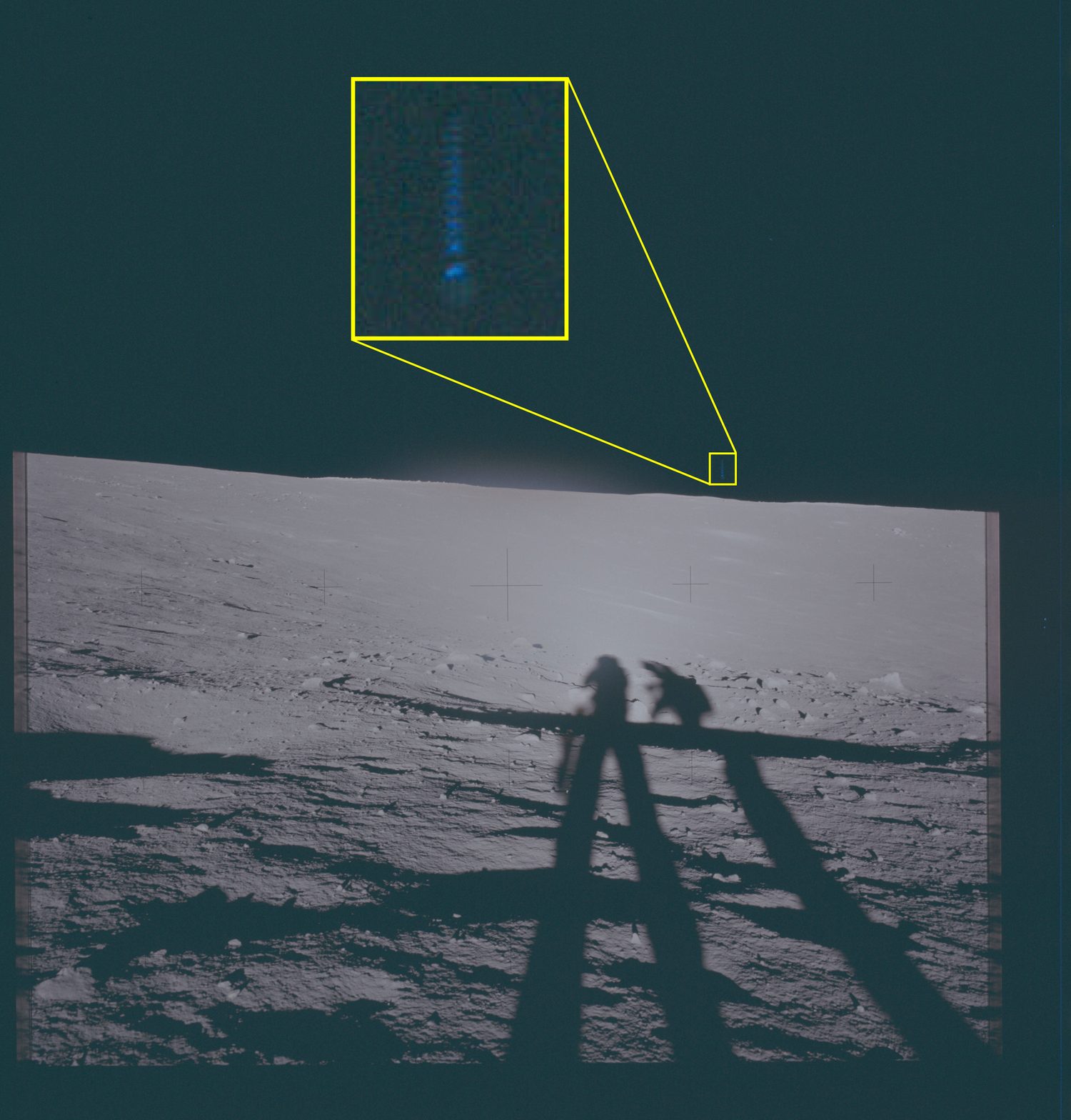
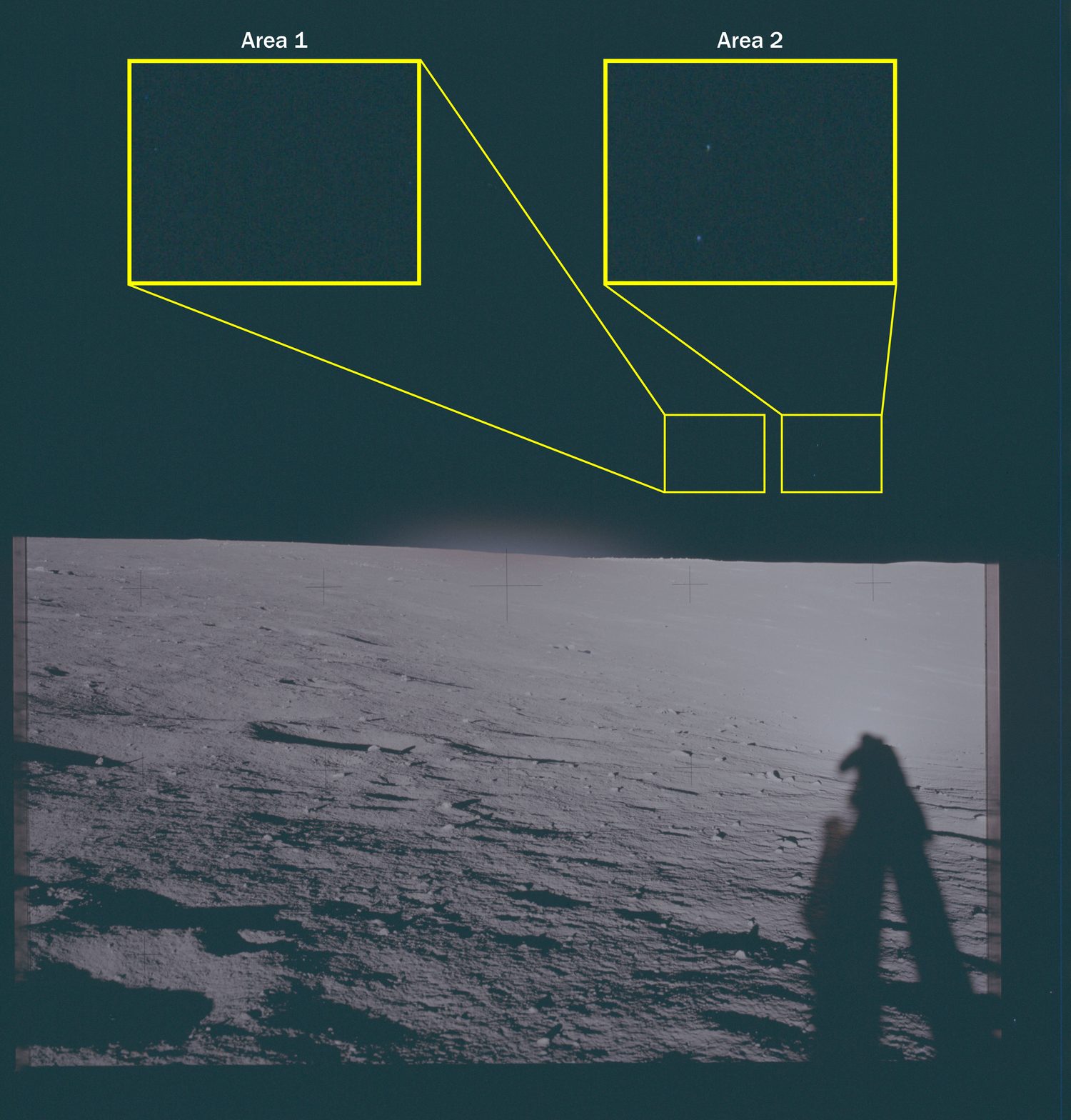
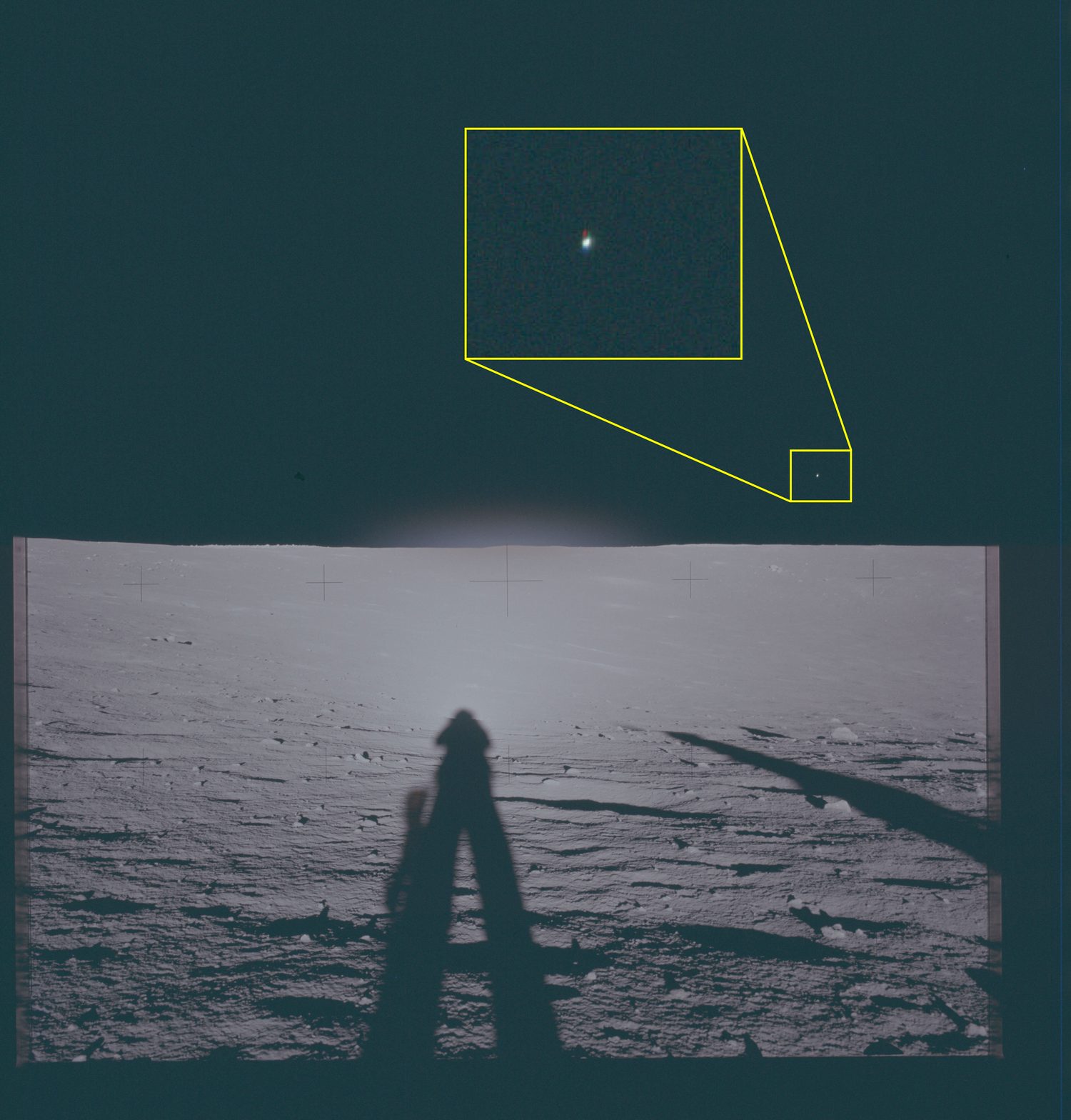
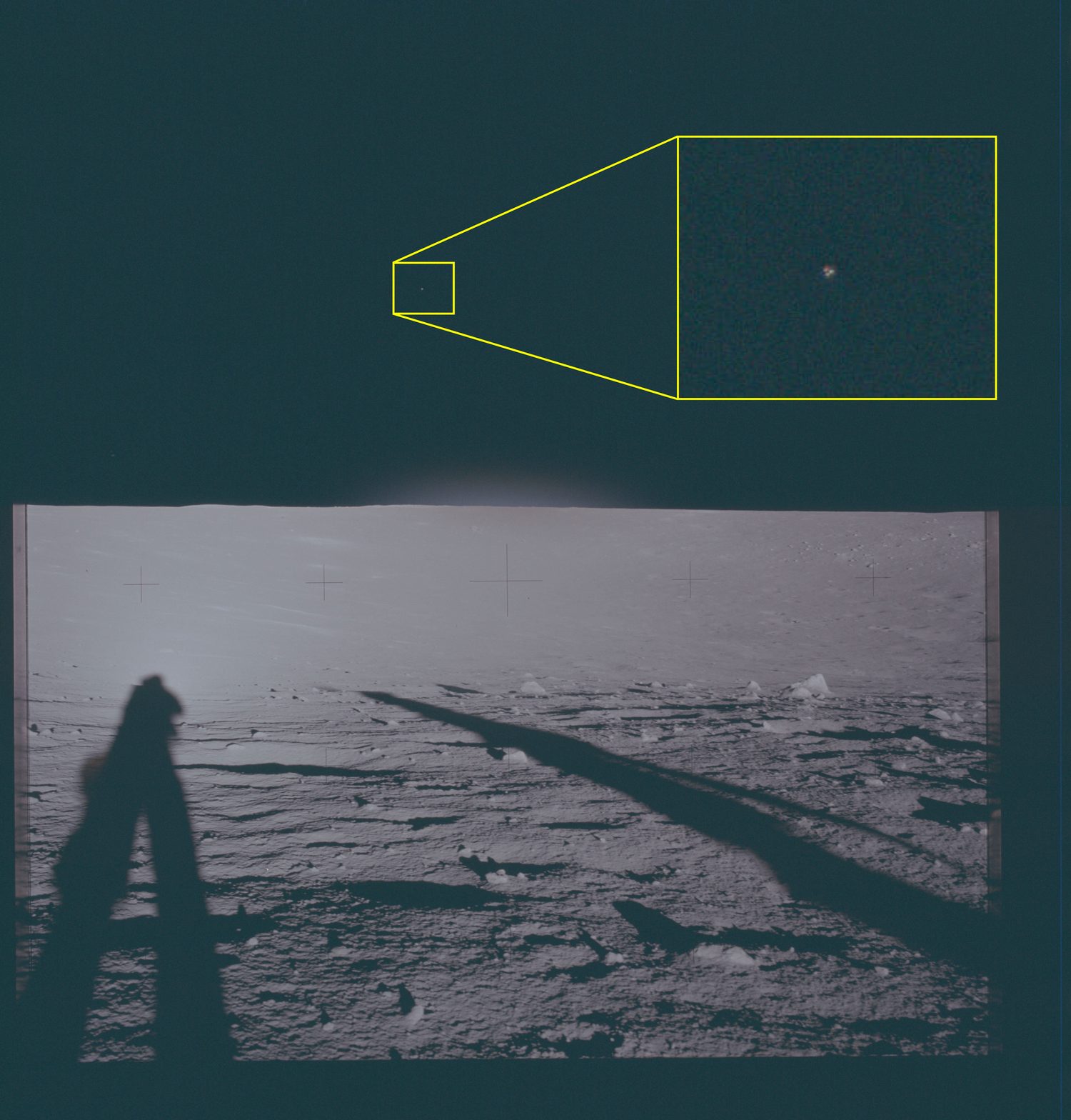
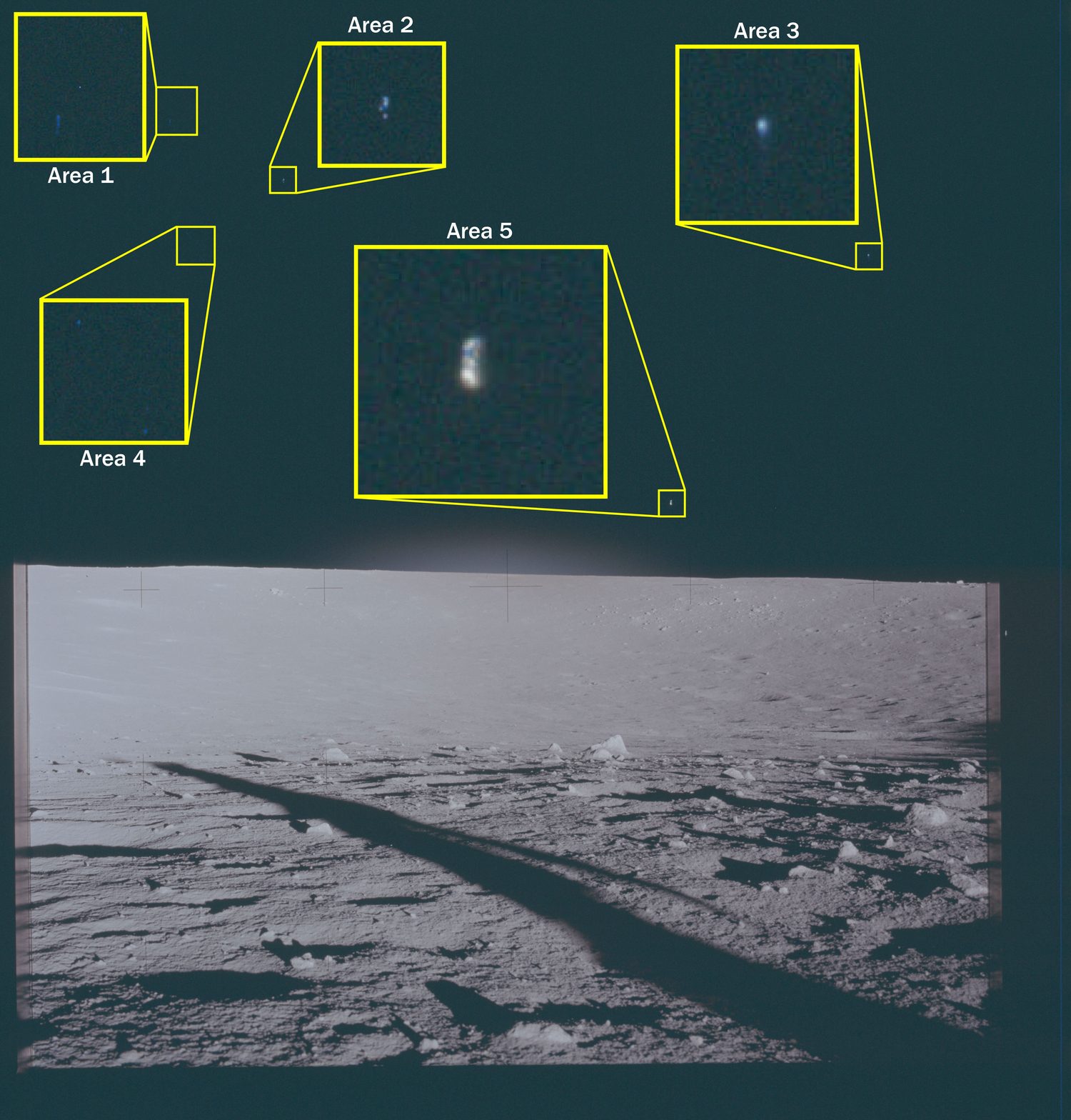
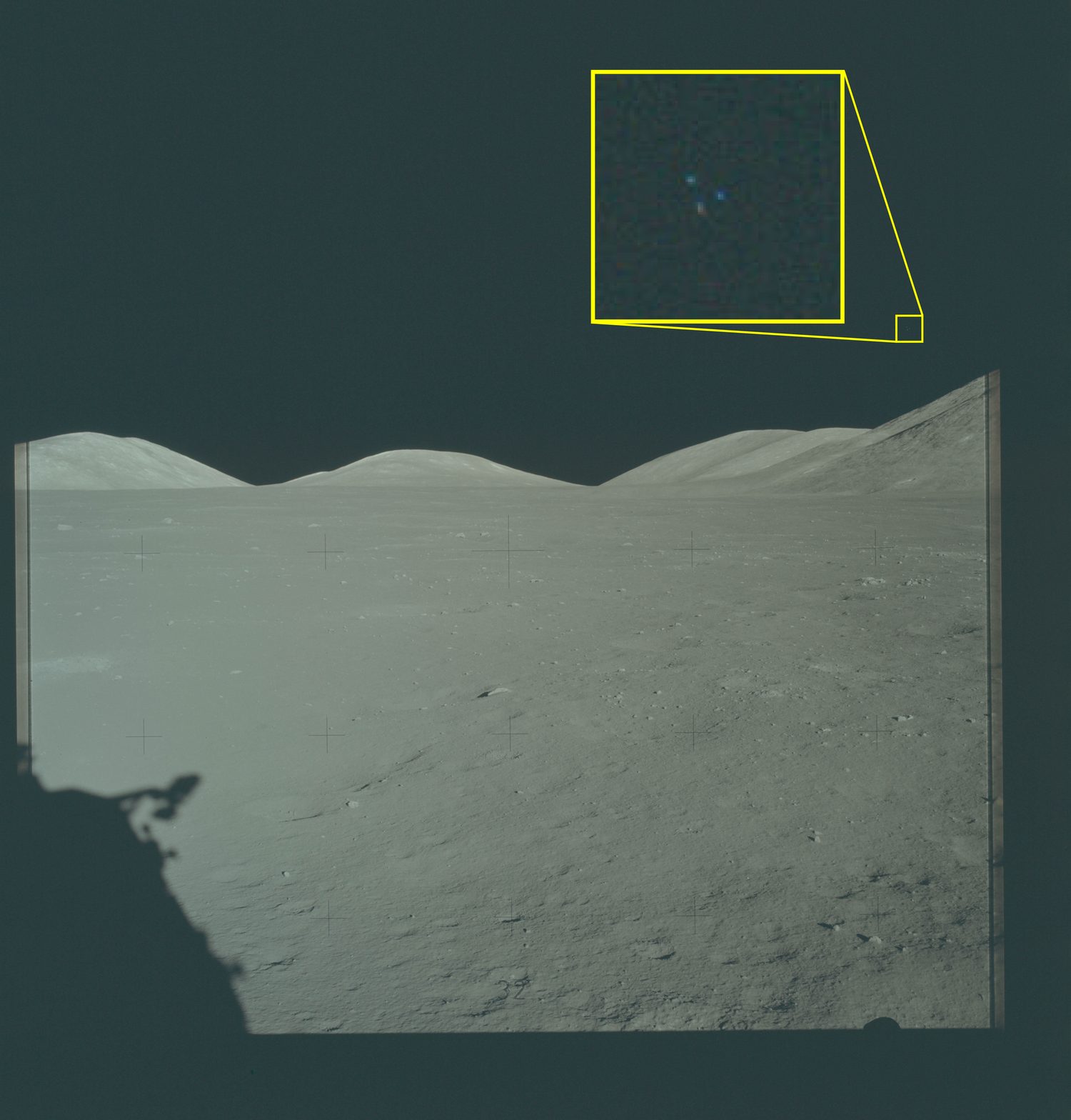
Surface photographs from the Apollo 12 (1969) and Apollo 17 (1972) missions, with anomalous objects highlighted by later analysts.
Apollo 12: lunar surface, 1969An Apollo 12 surface photograph. Later analysts added the yellow callout box, magnifying a faint blue form in the lunar sky above the horizon.Apollo 12: lunar surface, 1969An Apollo 12 surface frame from the same 1969 sequence.Apollo 12: lunar surface, 1969An Apollo 12 surface frame from the same 1969 sequence.Apollo 12: lunar surface, 1969An Apollo 12 surface frame from the same 1969 sequence.Apollo 12: lunar surface, 1969An Apollo 12 surface frame from the same 1969 sequence.Apollo 17: lunar surface, 1972An Apollo 17 surface photograph from the final crewed Moon landing, the latest of the NASA frames in the collection.
Witness-derived renderings
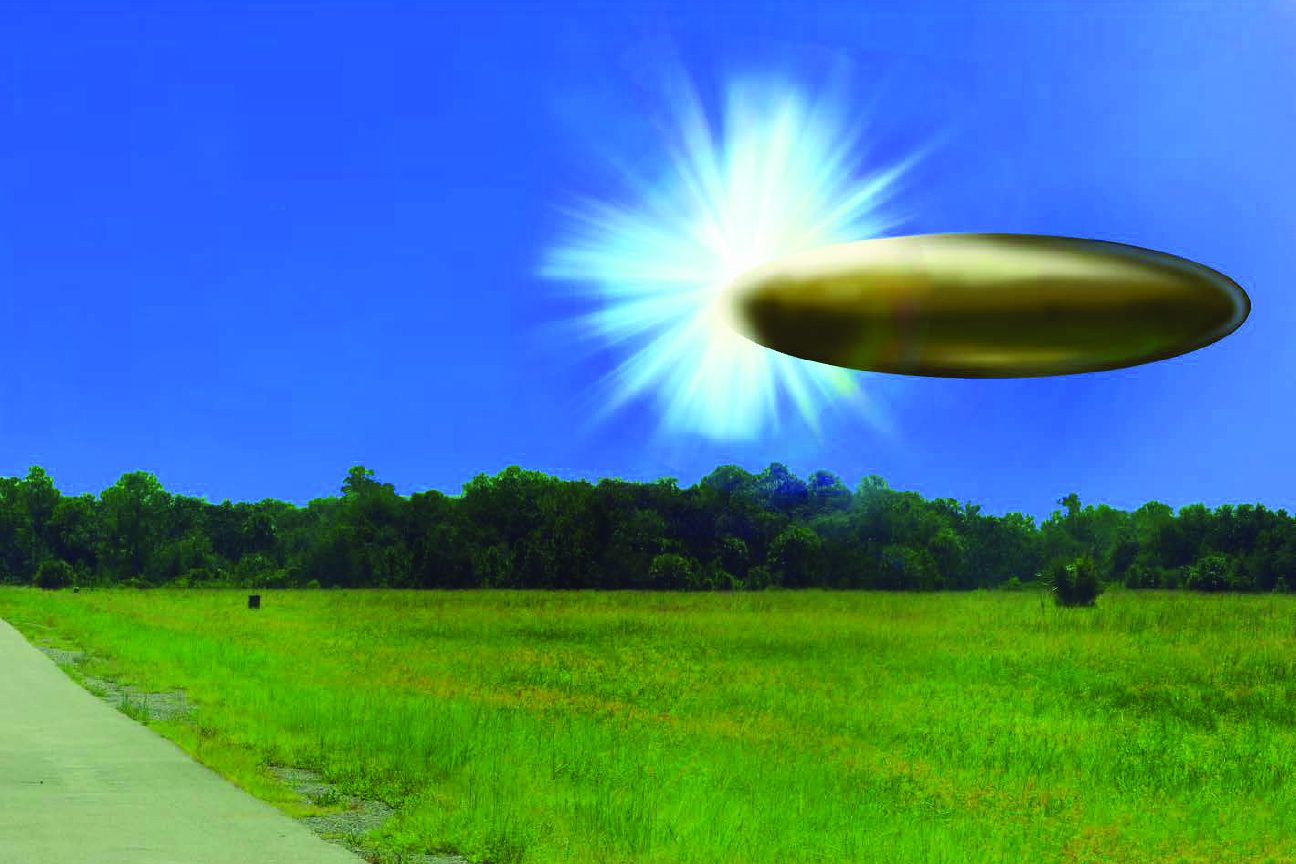
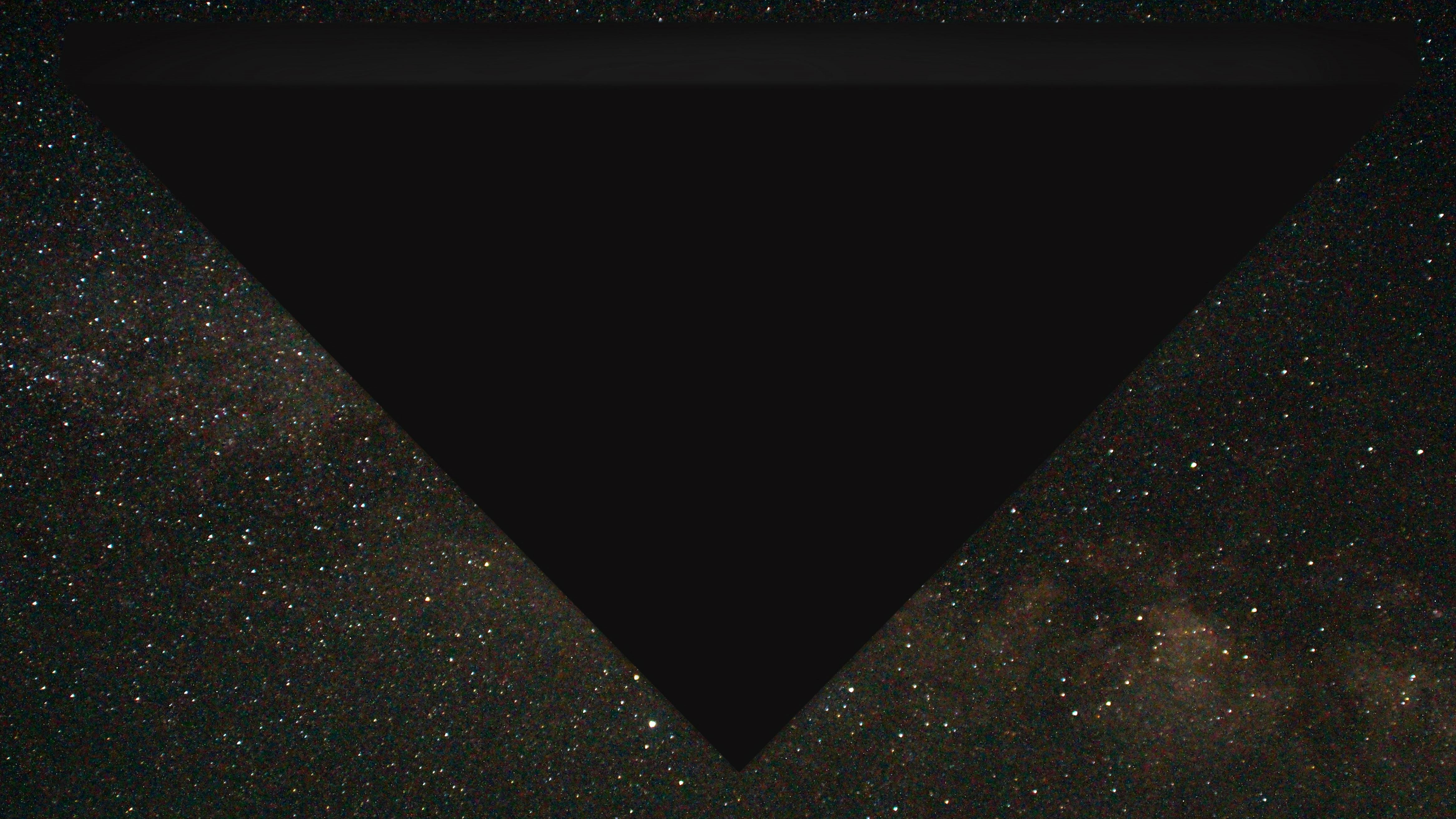
Not photographs, and not sensor data. These are illustrations the FBI commissioned in 2026, drawn from what individual witnesses described in recorded interviews, and released as part of the record. Eight of the nine came in Tranche 5 on 7 August 2026, each one paired to a specific FD-302 interview that is quoted in its caption. Treat them as testimony rendered visually: they show what a person said they saw, filtered through an artist, and their evidential weight is the weight of the interview behind them, no more.
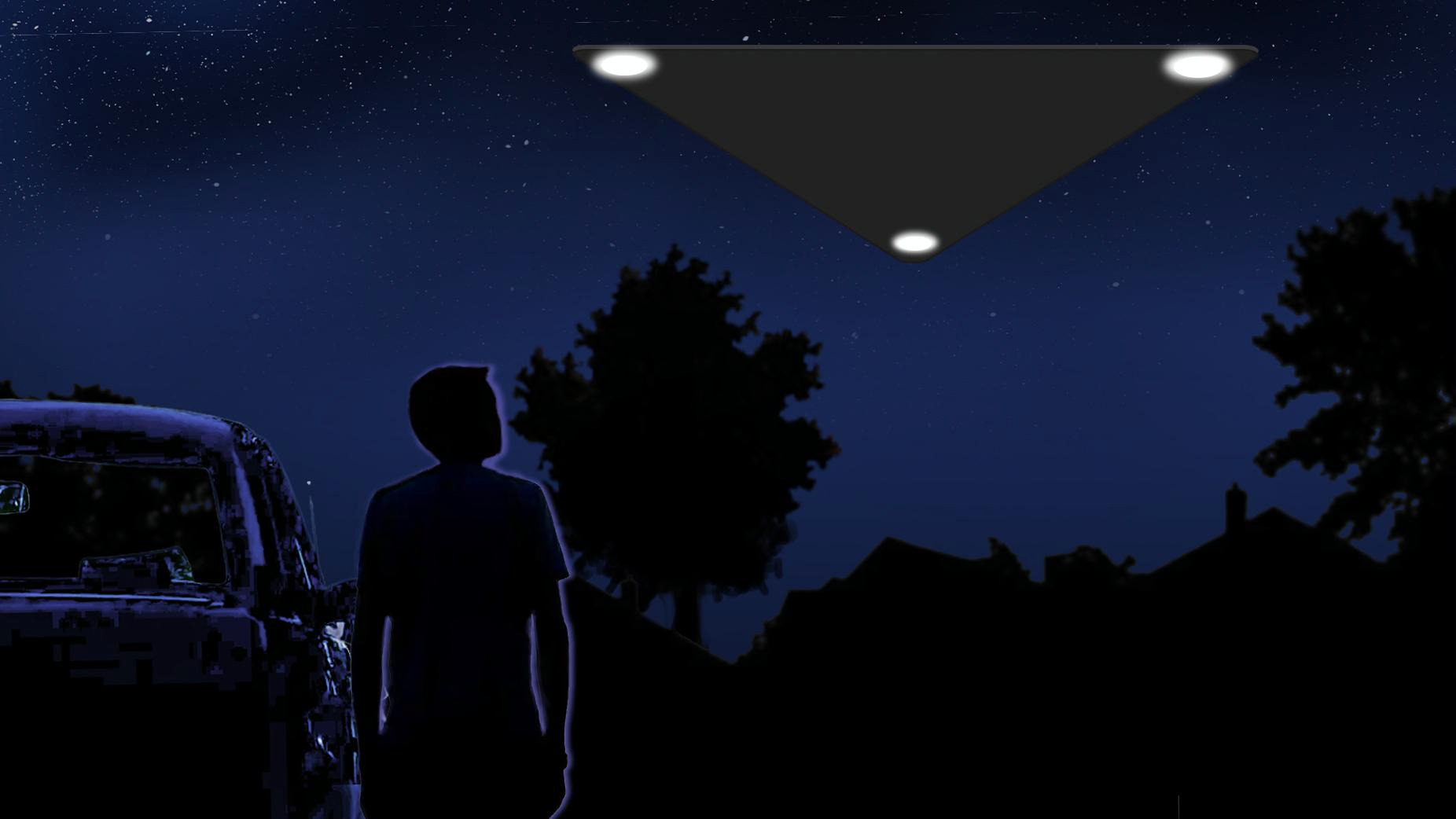
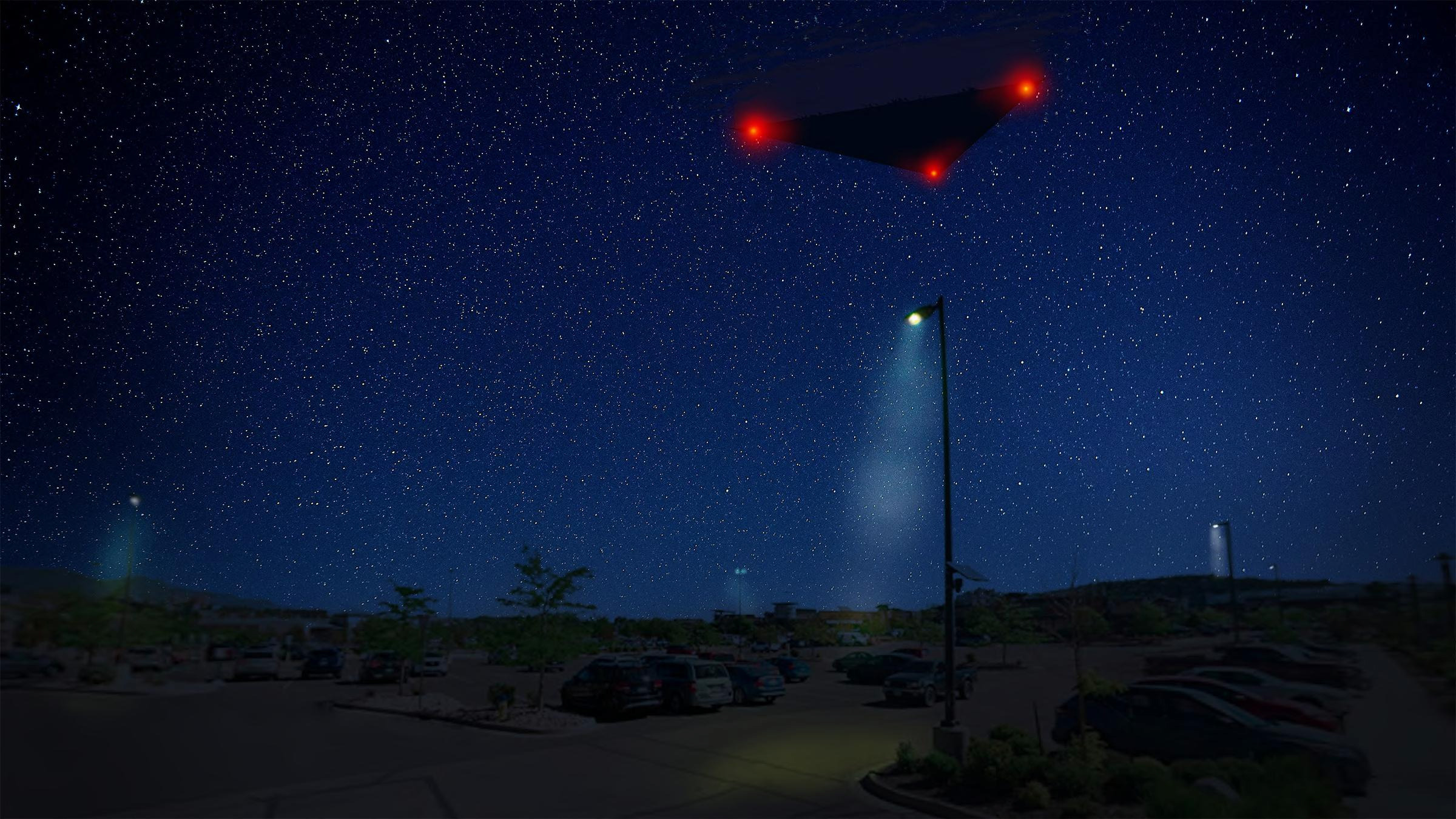
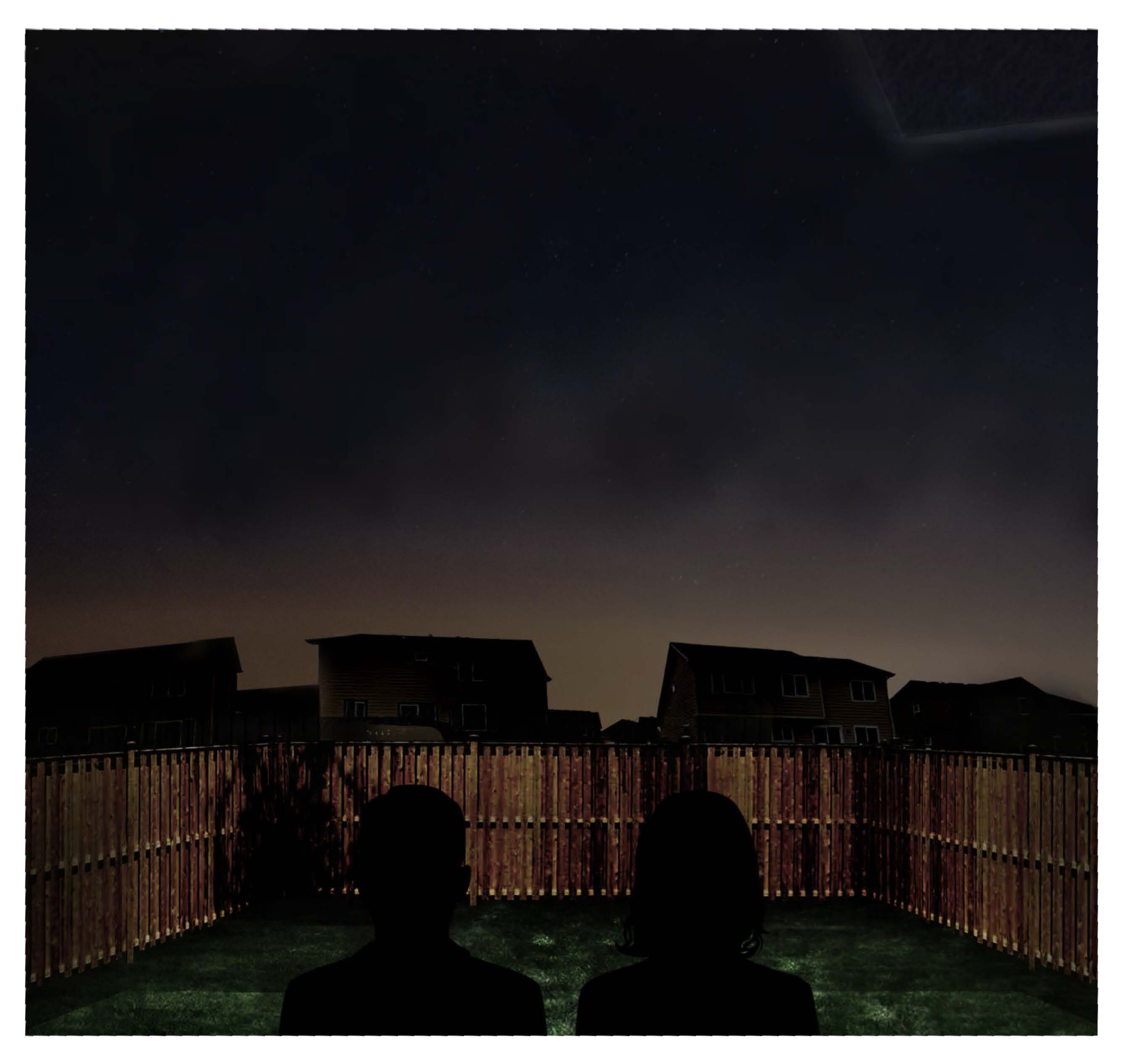
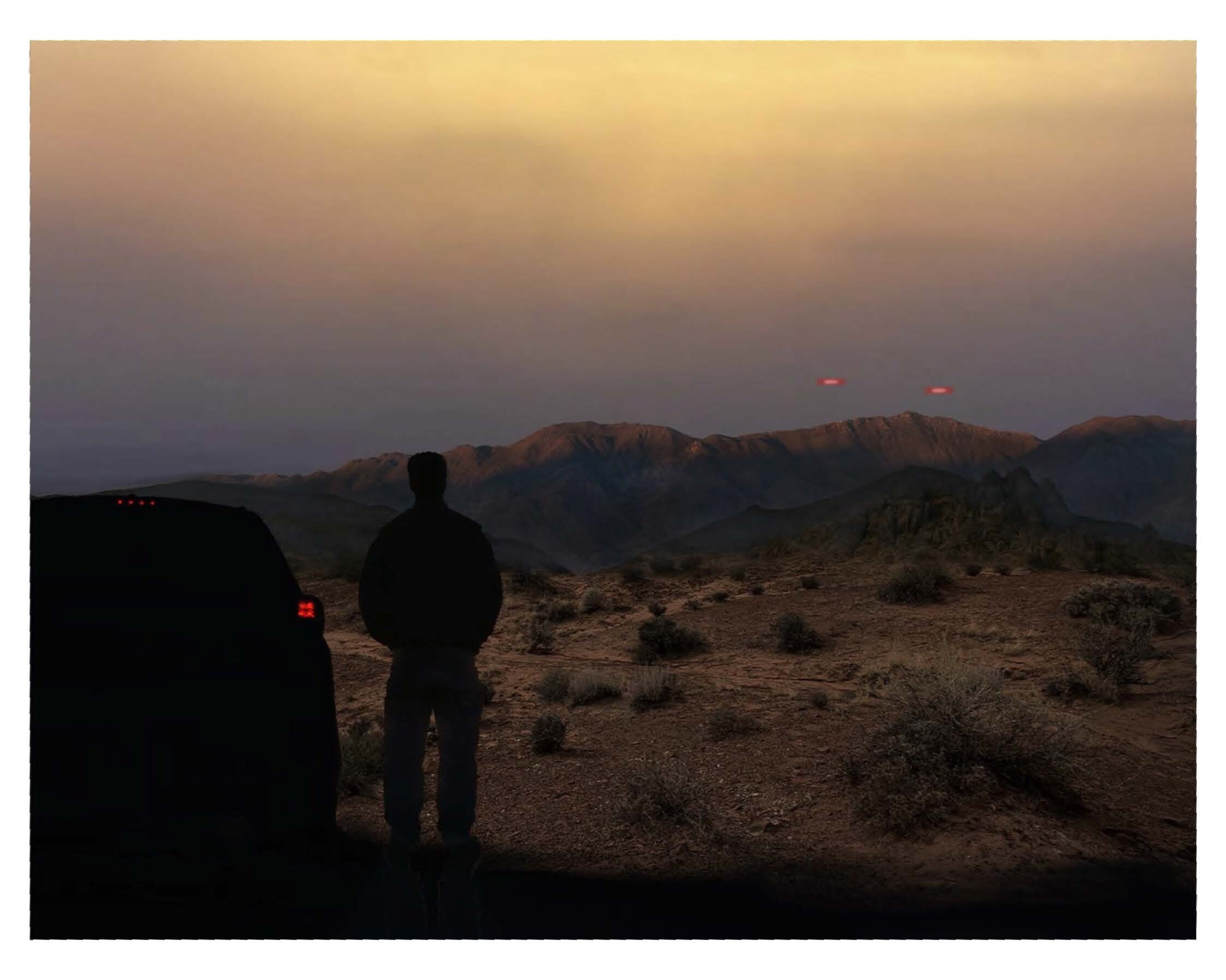
Composite sketch, 2024A stylised depiction of a disc-shaped craft over open ground, held in the FBI files. The earliest rendering in the collection and the only one not tied to a named Tranche 5 record.FBI-UAP-D025: airborne triangle, Bagram Air Base, June 2002A black triangle blotting out the Milky Way. The witness, a military pilot deployed to Afghanistan, described noticing that the stars were being “blacked out” overhead: an equilateral form roughly 500 feet across, silent, with no lights of its own. The object here is defined entirely by the starfield it occults, which is precisely what the account describes.FBI-UAP-D029: dark triangle with lights, 2011Two service members had stopped at the end of a driveway when one got out of the vehicle and looked up. The rendering places the witness beside the open car door, exactly as the interview describes, beneath a large isosceles triangle with a car-sized white light set back from each corner. This was the only triangle in the tranche that made a sound: a low, pulsing hum.FBI-UAP-D031: large triangle with red lights, Colorado Springs, October 2023The witness was in a workplace parking lot on a clear night when a solid black triangle with a red light at each corner emerged from a stationary, oddly pixelated patch of cloud. He estimated the object was as large as the lot he was standing in. The light poles in the rendering are the scale reference he used.FBI-UAP-D027: dark translucent triangle, Colorado Springs, October 2023A separate witness, interviewed nine months apart from the one above, sitting on his back porch with his wife: both figures appear in the foreground. He described the object as almost see-through, ringed by a haze that rippled “like looking at an object that is underwater,” with a band of silvery-blue light along its flat trailing edge. That band is the bright line entering at the upper right. The image is very dark as released.FBI-UAP-D038: multiple red lights as seen by eye, western United States, 2026The first of two views of the same 2026 encounter. To the naked eye the objects were dull red and “dash” shaped, tracking along a ridgeline to the west under heavy cloud. The witness and his vehicle are at the roadside, in the desert basin terrain where the sighting occurred.FBI-UAP-D039: the same lights through night optics, 2026The second view of that encounter, and the most useful single image in the release. Through night optical devices the same objects were no longer dashes but circles, wrapped in the concentric halo a light source produces in that equipment. The Bureau commissioned both views and published them together, which makes this pair a government-issued demonstration that reported shape depends partly on the instrument doing the reporting.FBI-UAP-D041: red light at the ridge crest, western United States, 2026The second witness to the same 2026 events, rendered from nearly the same vantage: same vehicle, same boulder field, same ridgeline. He first took the light for something sitting on the mountain until it began to move east.FBI-UAP-D042: rapid descent through night optics, 2026The companion night-optics view for the second witness, showing one of roughly six to ten lights dropping an estimated thousand feet before vanishing. The descent is drawn as a long motion trail. This file is reproduced exactly as released, which means it arrives rotated a quarter turn from the orientation its own page settings specify.